Social impact film production
Charities and public bodies come to us when the numbers alone have stopped landing, and someone needs to be heard instead of counted.
Every social impact brief we have taken on has had a person at the centre of it before it had a strategy: someone whose house does not work for their wheelchair, whose difficult morning became a campaign that raised over a million euro in two days. We build the film around that person rather than a narrator, because an audience will sit with someone's own voice a lot longer than it will sit with a statistic read out over pictures.
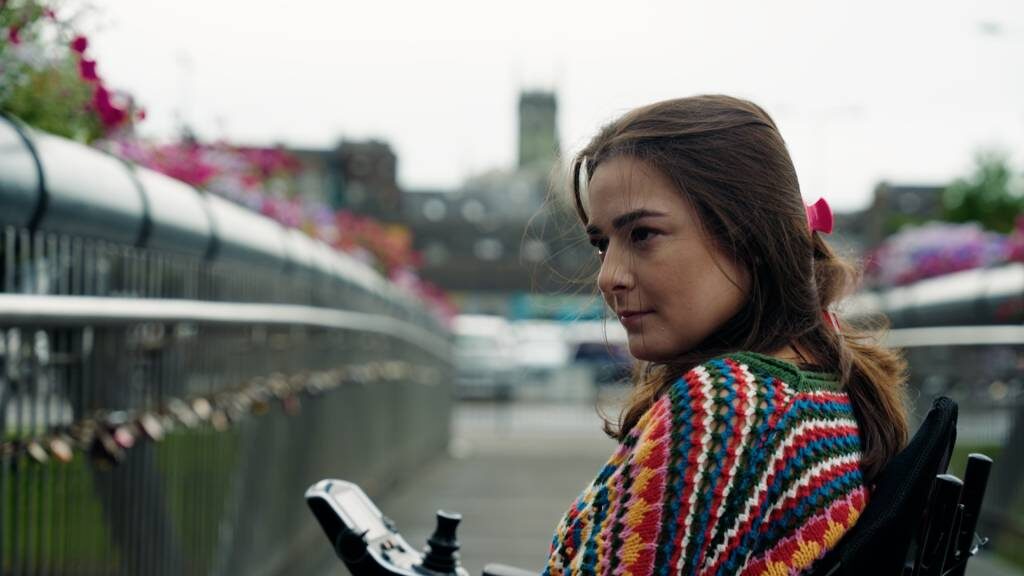
Home Truths, made for the Irish Wheelchair Association, put disabled people's own accounts of the housing market in front of the public: the shortage of wheelchair-accessible homes, the wait for a suitable house, the case that extra space is a right rather than a luxury. It reached 3.8 million people through national and regional press and broadcast coverage on RTE and Virgin Media, and won an Irish Healthcare Centre Award for Best Use of Social Media.
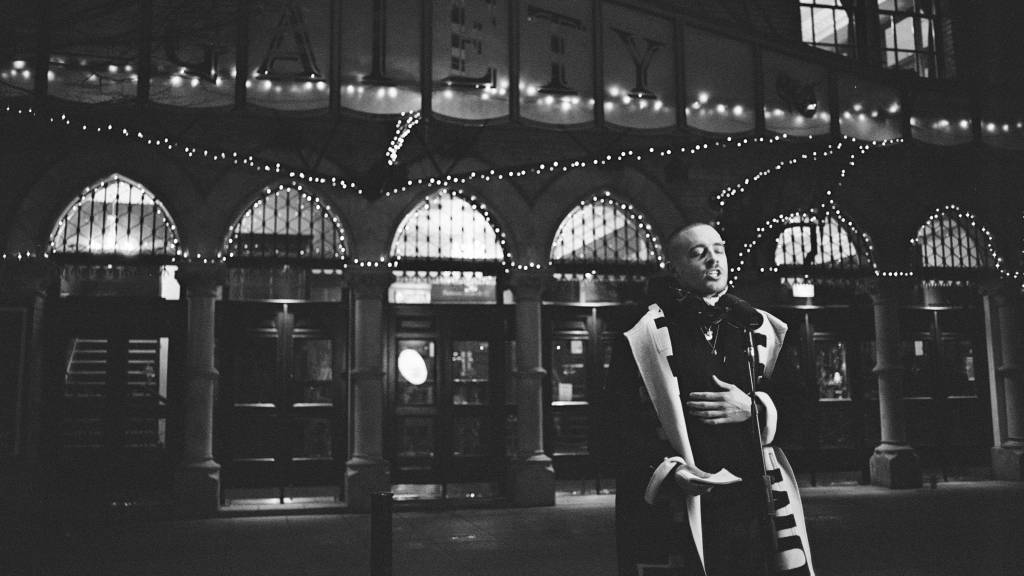
The Busk, made for RTÉ and the Simon Community, is our clearest example of a social impact film built to raise money directly: a concert film that helped raise over €1.3 million for the Simon Community in 48 hours.
Services across a social impact commission: concept and idea development, campaign creative, storyboarding, talent acquisition, production, filming, colour grading, editing, post production.
Why lived experience outperforms a narrator
Charities and public bodies are usually competing for attention against subjects an audience has already half-tuned out: housing, disability, homelessness, addiction. A narrated explainer restates facts an audience has heard before.
What funders and boards need alongside the film
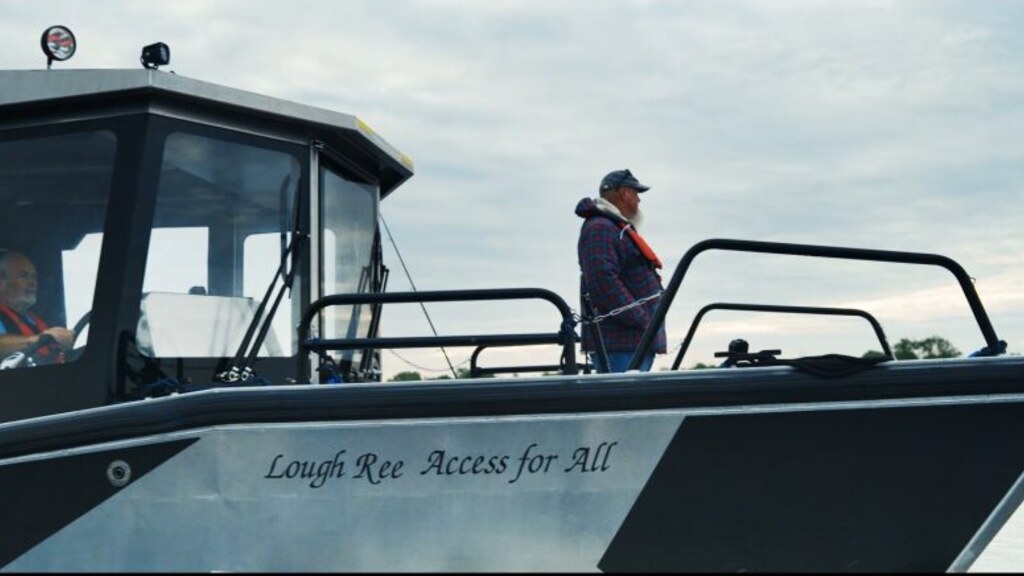
Social impact commissions usually answer to a board, a funder or a government department as well as the public, which changes what "done" looks like. Reach figures, press coverage and campaign outcomes matter for reporting in a way they don't for a straightforward brand piece. The National Lottery's Lough Ree Angling Hub film and Home Truths for the Irish Wheelchair Association both needed to demonstrate real-world results, which is why we track and report on reach and coverage as part of the commission.
Campaigns built to travel through press and broadcast, not just paid media
A social impact budget rarely stretches to a broadcast media buy the size of a commercial campaign, so the film has to be able to earn coverage on its own: a story a news desk will pick up, a clip broadcasters will run, footage a charity's own channels can carry for months rather than one paid flight. Home Truths reached 3.8 million people this way.
Questions we're usually asked
Do you work with service users or contributors directly, or only actors?
Real contributors as standard for social impact work. Home Truths and the National Lottery's Good Causes Awards film were both built around real people telling their own stories.
Can you help with the reach and reporting a funder needs?
Yes, we track and report on press and broadcast coverage as part of the commission, not as a separate add-on.
Do you work with public bodies as well as registered charities?
Yes. Our social impact work spans NGOs, health and disability advocacy, and public funders like the National Lottery's Good Causes programme.