
Video voice over
A voice over is a recorded voice track added to a film without the speaker appearing on screen, usually to narrate, explain or carry a line no interview or piece of dialogue can. It carries a film when there is no one on screen to carry it, which puts a lot of weight on a single, disembodied performance. The wrong voice, too polished, too neutral, too much like an advert, can undo work that took weeks to shoot.
Read matters as much as voice. The same script read too fast sounds like an apology; read too slow sounds like a lecture. We record several passes of tone as standard, not because the first is wrong, but because a line almost always improves once the speaker has heard it back once and stopped performing it.
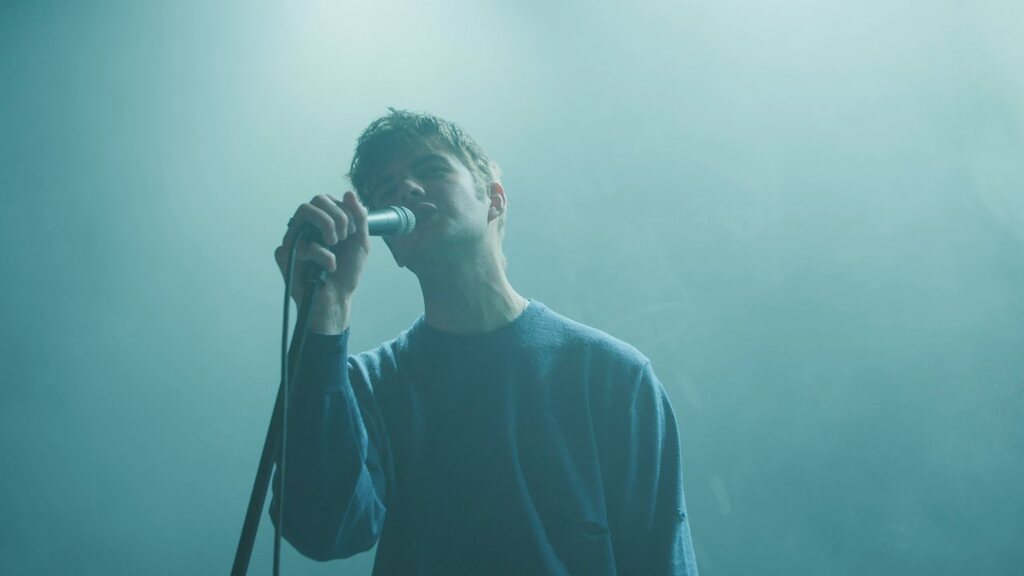
Casting for the line, not the voice
We cast voice over the way we cast anything else: for the specific person a line needs, not a generic warm broadcast tone. Sometimes that is a professional voice actor. Sometimes it is the right person from inside the project itself, reading words that already belong to them.
A good audition for a voice over job rarely sounds like an audition. We ask for a read of the actual script, or something close to it in length and register, rather than a generic showreel, because a voice that sounds warm and authoritative reading a perfume advert can sound wrong entirely reading a charity appeal. Pace matters as much as tone here. A voice actor with a naturally fast, clipped delivery can be exactly right for a sixty-second product film and exactly wrong for a reflective two-minute documentary piece, regardless of how good either read is in isolation. Accent is its own decision too: a neutral Irish accent reads as local and grounded for a community project in a way a more generic international accent doesn't, even when both are technically clear and professional.
Directing a read
Vague notes produce vague reads. Asking someone to sound "more natural" when they are already reading naturally usually just makes them self-conscious and worse. Better direction gives a reader something concrete to do differently: slow down on this clause, treat this sentence like you're explaining it to one specific person rather than a room, let this word land without pushing it. Specific, playable notes move a read forward. Abstract ones just make a confident reader start second-guessing a take that was already fine.
We usually record in short takes rather than asking for a full run-through each time, because a reader holding an entire script's rhythm in their head tends to flatten it out, smoothing over the moments that should stand apart from the rest. Breaking a script into its natural sections and directing each one on its own terms gets a more varied, more alive result than one long unbroken pass ever does.
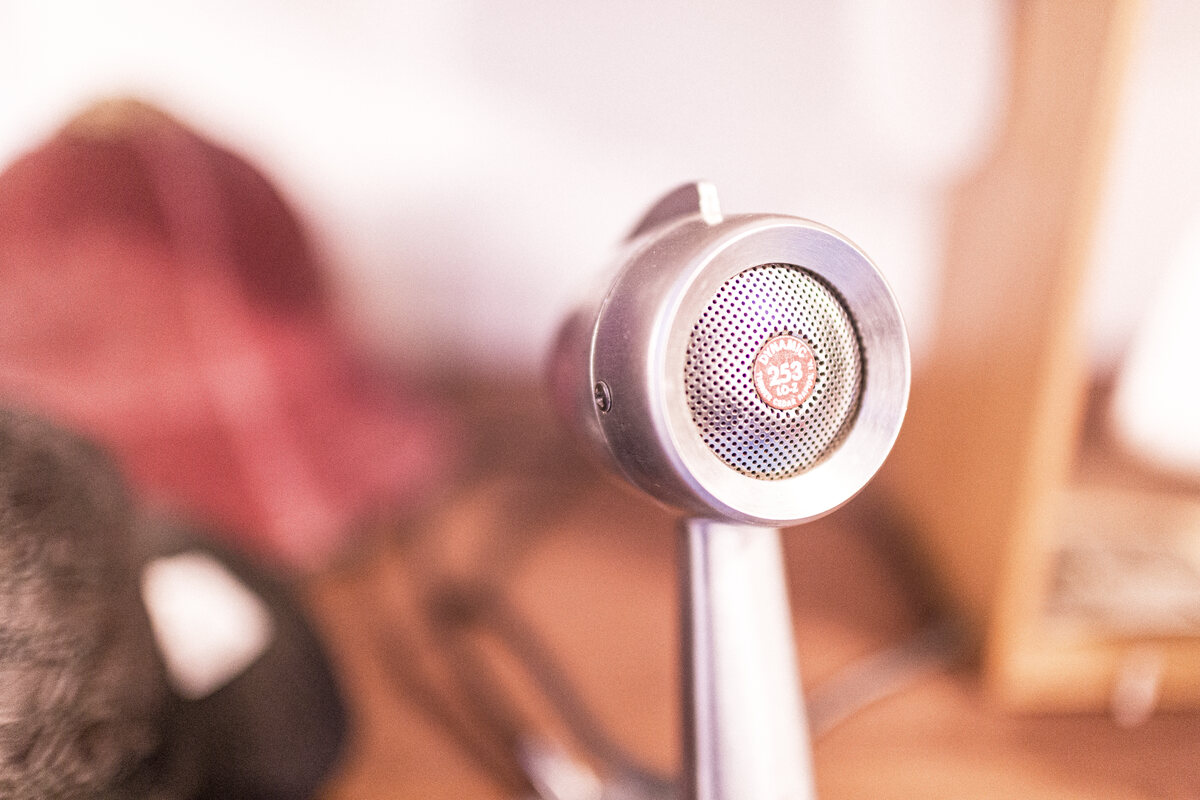
Fitting the read to a locked picture
Voice over almost always gets recorded against a picture that is already cut, not the other way round, so a read has to fit a duration that was never written with a stopwatch in mind. A line that reads naturally on the page can run two seconds long once it's performed, which means either the edit flexes slightly or the read tightens. We'd rather trim a pause than speed up a whole performance to make a deadline fit, because a rushed voice over is one of the fastest ways to make a calm film sound anxious.
Remote recording is common now and usually fine, provided the room is right: soft furnishings, no hard parallel walls, no laptop fan a mic will pick up that a human ear tunes out on its own. We send a short checklist ahead of a remote session rather than leaving the room to chance.
What narration should and shouldn't do
Narration that explains carries information the pictures can't: a statistic, a date, a piece of context the audience needs before the next scene makes sense. Narration that adds texture does something different. It sits under the picture as mood rather than instruction, closer to a second layer of music than a lecture. Confusing the two is a common note we push back on: a script that tries to narrate every beat an audience can already see on screen ends up talking over its own film rather than supporting it.
Studio time is usually booked in shorter blocks than people expect. A confident reader can cover a five-minute script in under an hour once the tone is settled, which is one reason recording so rarely turns out to be the bottleneck it looks like on paper.
A single project often needs more than one version of the same read. A broadcast cut might run the full script at a measured pace, while a thirty-second social cutdown needs the same voice tighter and more direct, sometimes with lines reordered rather than simply shortened. We record enough alternate takes and phrasing during the original session to cover that later, rather than booking the same voice back into a studio for a short pickup once the edit reveals what the shorter version actually needs. It's a small bit of planning at the start that saves a second studio day further down the line.
Recording is usually the fast part. Finding the right voice, and the right read of it, is where the actual work happens.