
Video videography
Videography is the part of the job most people picture: someone behind a camera on the day, making constant, small decisions about where to stand and when to move, framing and following action as it happens rather than after the fact. It looks instinctive. Most of it is pattern recognition built up over a decade of being in rooms where something is about to happen.
The gear matters less than people assume. A skilled operator gets a usable frame on a phone if that is what the brief demands; a nervous one misses the moment on the best camera money can rent. What actually separates strong videography is anticipation: reading a room, a stage, a conversation, and being in position before whatever is about to happen actually happens.
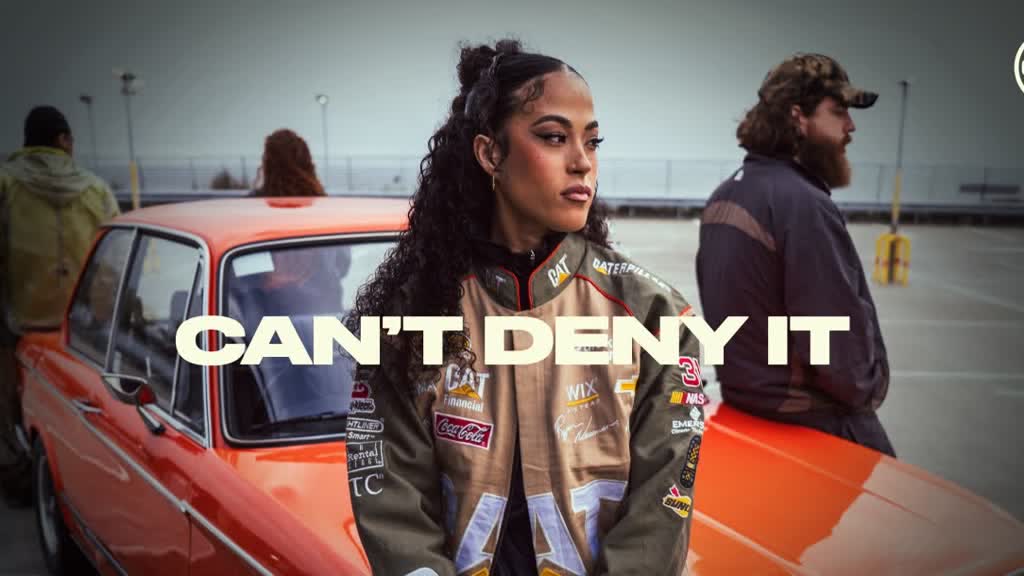
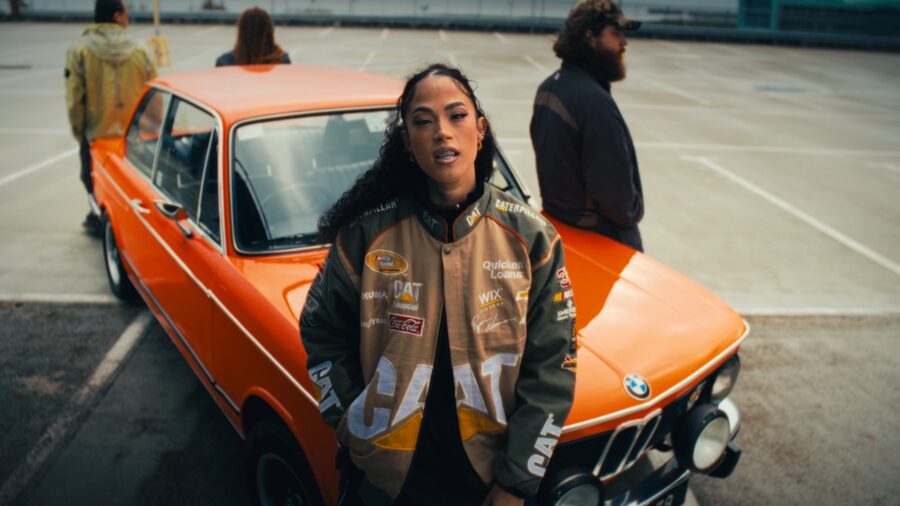
Shooting Jazzy on an empty rooftop car park for 'Can't Deny It' meant working fast in flat light with one orange car and very little else, which is its own discipline: nowhere to hide a weak frame behind a crowd or a stage rig. Shooting Fontaines D.C. live for 'Liberty Belle' meant the opposite problem: a real gig, a real crowd, one pass, no do-over on a mistake.
Lens choice decides how a space feels
A wide lens close to a subject makes a small room feel larger and slightly distorts the face in front of it, which is why it suits a confident interview but flatters almost nobody in a tender moment. A longer lens shot from further back compresses the background in behind the subject and flattens the sense of depth, which reads as more intimate on a face but makes a crowd scene feel denser and more packed than it actually was standing in it. Neither is a better lens. They are different instruments for different sentences, and choosing between them is one of the first decisions on any shoot, usually before anyone has agreed on a shot list.
Depth of field does similar work on a smaller scale. A shallow depth of field isolates a subject from a messy background, which is useful on a real location where you cannot always control what's behind someone, but it also narrows how much of a frame is actually sharp, so an operator following unpredictable movement has to keep refocusing in real time rather than setting focus once and forgetting about it.
Movement is a choice, not a habit
Handheld camera work has become a default setting on a lot of commercial video, used whether or not the scene actually calls for it, because it reads as energetic and modern without anyone having to decide why. A static frame is a different, often braver choice: it puts the entire weight of a shot on what's happening inside it, with nowhere for the camera to hide a moment that isn't working. We pick between the two based on what a scene needs to feel like, not on what looks busiest in a reel.
A slow, deliberate push on a gimbal or slider reads completely differently from a whip pan or a handheld run alongside someone walking, even though both are technically 'camera movement'. The first suggests inevitability, something closing in. The second suggests urgency, or chaos, or a crew keeping up with something that refuses to wait for them. Neither works if it's the only move in the film, because an audience stops noticing movement the moment it becomes the house style rather than a choice made for one particular moment.
We shoot with the edit in mind, not against it. A frame that looks good paused is not automatically a frame that cuts well against the one before and after it, and a crew that has not thought about sequence hands an editor a pile of pretty shots that do not talk to each other.
That habit shows up most on multi-camera days, where two operators covering the same moment from different angles need to already agree, without discussing it out loud, on which one is going wide and which one is going close.
Reading light that nobody controls
A studio has fixed rigs and a ceiling full of dimmable lights. A real location, a beach, a venue, somebody's actual kitchen, has whatever light happens to be there, and it changes while you're shooting it: a cloud moves, the sun drops behind a building, a venue's house lights shift between songs. Part of videography on location is simply noticing that drift before it shows up as a mismatch in the edit, and adjusting position or exposure to compensate rather than hoping it'll sort itself out in the grade later.
Blocked scenes and run-and-gun coverage are different jobs
A fully blocked scene, where every mark is set and every move is rehearsed before the camera rolls, is videography working from a plan: the operator knows exactly where a performer will be in four seconds because everyone agreed on it an hour earlier. Run-and-gun coverage, chasing a real event or a documentary subject as it actually unfolds, is the opposite discipline entirely. There's no mark to hit because nobody involved is hitting marks, and the operator's job shifts from executing a plan to predicting one that doesn't exist yet. Most shoots sit somewhere between the two, and knowing which mode you're in at any given moment, planned or reactive, is itself a skill that takes longer to learn than either one on its own.
Both need the same instinct: knowing which of the ten frames you are not getting is the one you will actually miss in the edit.