
Video studio recording
Studio recording means moving a shoot off location into a controlled room built for sound and light rather than a real place: no traffic outside a window, no weather to work around, no passers-by to clear. That is the trade for a location's texture: consistency.
A studio does not have to be a purpose-built facility. Most of what we call a studio session happens in a quiet room with the windows sealed, a plain backdrop, and enough distance between subject and wall to avoid an echo, set up for a day and struck again afterward. Purpose-built spaces get booked when a brief needs a genuinely controlled environment for longer than a day, or an acoustic treatment a normal room cannot fake.
Acoustic treatment, not just a quiet room
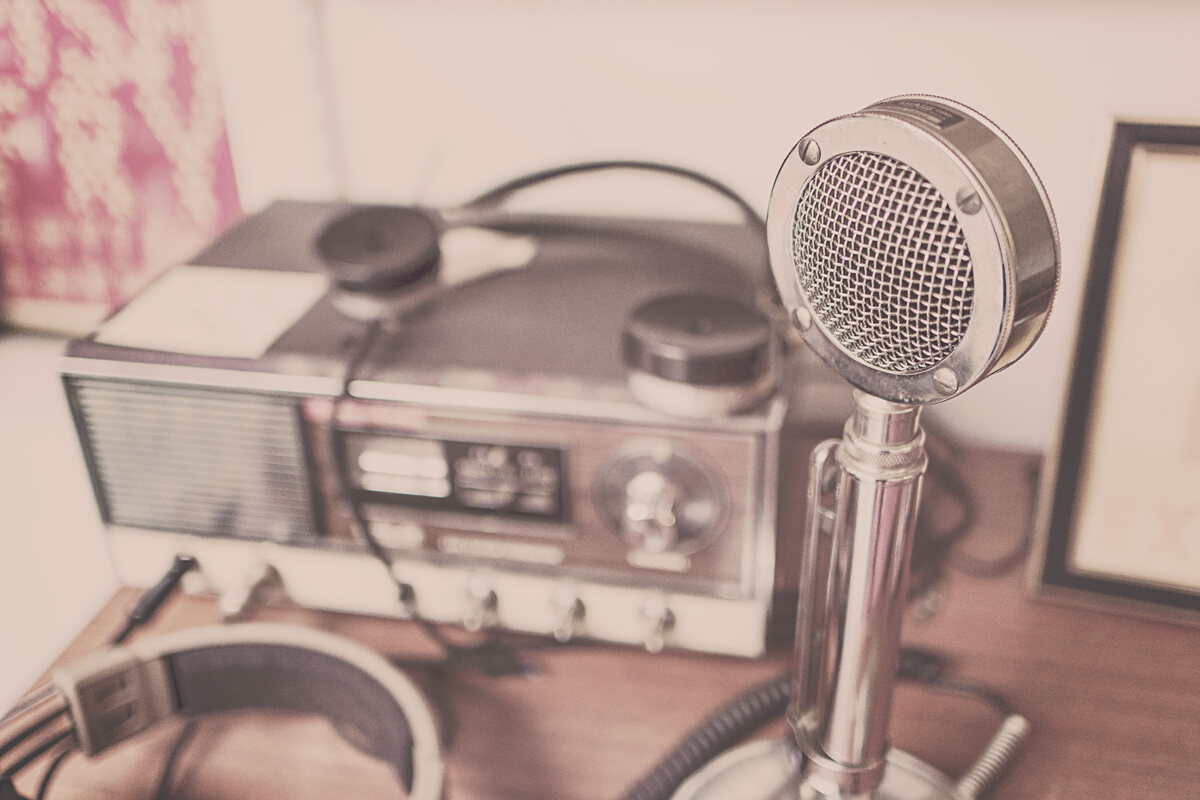
A room can look silent on camera and still sound wrong on a microphone. Hard parallel walls bounce sound back on itself, and a voice recorded in an untreated space picks up that reflection as a faint smear behind every word, something a viewer often can't name but still reads as cheap. Treating a room means breaking up those flat, parallel surfaces: foam or fabric panels to absorb reflections, sometimes nothing more elaborate than moving furniture and hanging blankets if the booking is short. The goal isn't a dead room with no sound in it at all. It's removing the reflections a camera mic or a boom would otherwise catch and bake permanently into the file.
This matters more for dialogue and voiceover than almost anything else we record, because an audience will forgive a slightly soft shot far more readily than a voice that sounds like it was recorded in a stairwell. Getting the acoustics right before a single take is recorded saves a edit from trying to fix it afterward, which is rarely fully possible: software can tame an echo a little, but it can't remove one it never had a clean reference for.
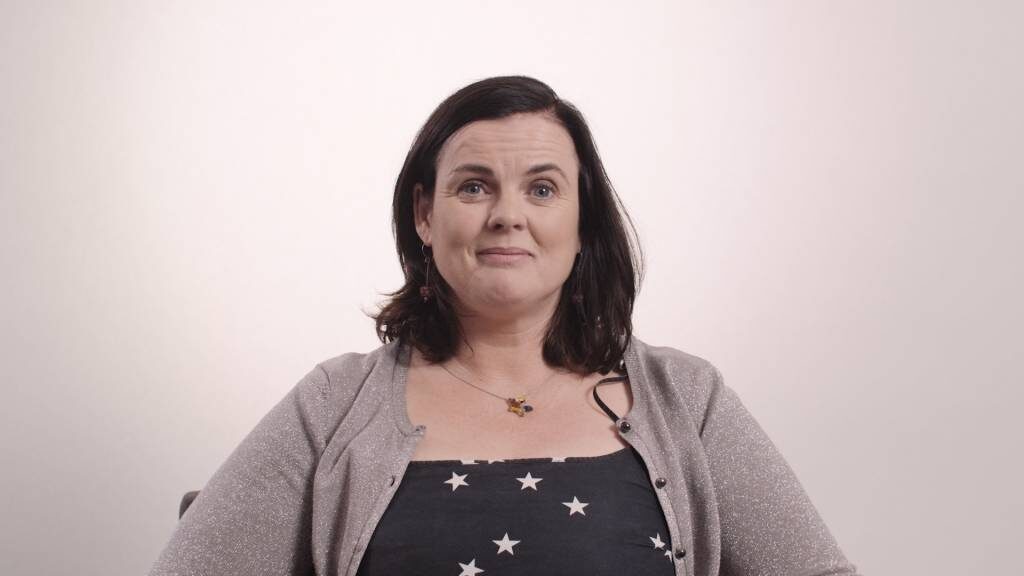
Interview pieces built around a single voice, the sort of piece behind Liquid Therapy's plain, light backdrop, benefit from that control: nothing in the room competing with what the person is actually saying. A studio session also means we can run a shoot day back to back with several contributors without losing hours to moving location.
Recording apart versus recording together
Some studio sessions are built around isolation: each voice or instrument on its own track, recorded cleanly enough that it can be balanced, cut or replaced later without touching anything else. Others deliberately do the opposite, putting performers in the same room so they play off each other, accepting that the sound will bleed between microphones because the alternative, isolating everyone into separate booths, kills the energy that made the performance worth recording in the first place. Neither approach is more correct. The choice depends on whether the brief needs the flexibility of clean, separate elements or the chemistry of people actually reacting to one another in real time.

The other advantage is repeatability. A studio setup, once lit and mic'd, stays consistent from the first contributor to the last, which matters when a project needs several interviews to sit together in one edit without an audience noticing that one was shot in the morning and one after lunch.
Light behaves the same way sound does in a controlled room: once it's set, it stays set. Daylight through a window changes by the minute, and a location interview that runs from midday into golden hour has to be relit as it goes or the shots won't cut together cleanly. A studio removes that problem entirely. A key light placed at ten in the morning reads identically at four in the afternoon, which frees a crew to focus entirely on performance rather than chasing a moving sun between takes.
What a session sets up for the edit
A studio recording rarely ends the day it was shot. Clean, isolated audio gives an editor room to rebalance a mix later, pull a line from a different take without the room tone jumping, or lift a voice track and drop it over different pictures entirely, none of which is possible once a recording has baked-in room noise or bleed from another source. We think about the mix and the edit while we're still setting up microphones on the day, because a decision made at that point either opens options downstream or quietly closes them off.
Booking a studio also means agreeing a start and end time with everyone involved well in advance, since a rented room does not forgive an interview that overruns the way a location sometimes can. A held-over hour is a real cost, not a formality, and it is usually cheaper to overbook slightly than to run short.
A controlled room also makes continuity easier to manage. Wardrobe, hair and the angle someone is sitting at can all be checked against a monitor and kept identical across several contributors or several hours, something far harder to hold onto on a real location where the background itself is changing around you. For a project filming the same person across multiple short sessions weeks apart, that consistency is often the only thing standing between footage that cuts together as one piece and footage that visibly doesn't.
The trade-off is real and worth naming: a studio strips out the texture a location gives you for free. We only reach for one when the brief is better served by quiet than by place.