
Video storyboarding
A storyboard is a shot-by-shot drawing of a film before it is filmed: what is in frame, where the camera sits, how one image cuts to the next. It is where a script stops being a good idea and starts being a plan a crew can actually shoot. Every frame gets argued over on paper, because arguing over it on set costs a day and a light kit nobody budgeted for.
A board does not need to be beautiful to work. Ours are usually simple: rough panels, arrows for movement, a note on lens length where it actually changes how a shot reads. The point was never the drawing. It is the argument the drawing forces before the argument gets expensive. A director and a director of photography can disagree about a whole scene on paper in ten minutes. The same disagreement on a locked set, with a crew standing around and daylight running out, costs the day rather than the ten minutes.
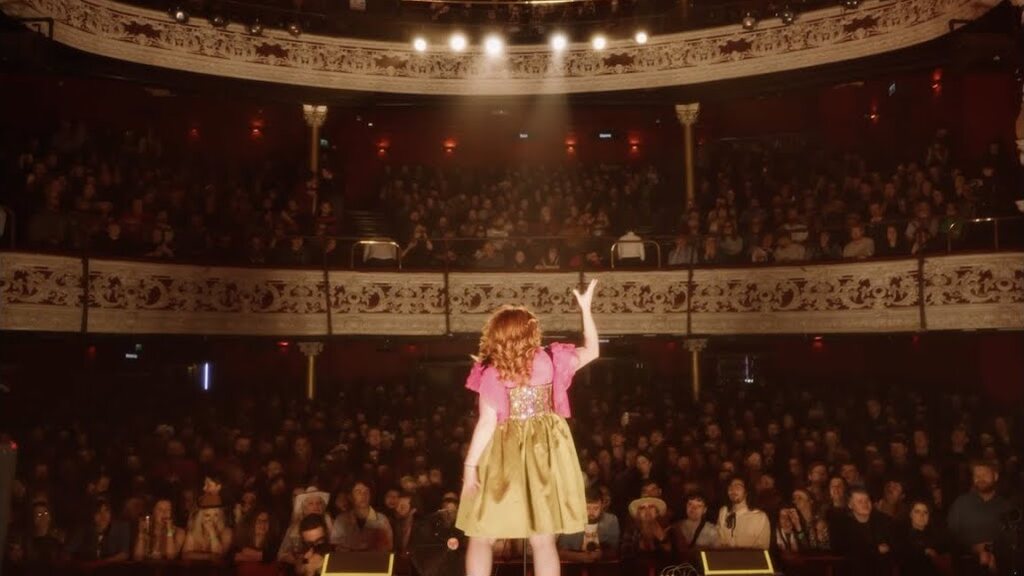
What actually goes on a panel
A panel carries less information than people expect. There's a rough drawing of what's in frame, an arrow if the camera or a subject moves during the shot, and a short note where something needs saying that the drawing can't carry on its own: a lens length that matters, a line of dialogue the frame has to land on, a prop that has to be in someone's hand before the shot starts. Anything more detailed than that slows a crew down reading it rather than helping them.
The boarding itself usually starts before any drawing happens, as a plain breakdown of the script into scenes and beats: what has to be established, what can be implied, where the story actually turns. That breakdown gets argued over on paper too, scene by scene, well before anyone sketches a frame, because there's no point drawing a beautiful panel for a beat that shouldn't exist in the film at all.
Who actually draws the panels depends on the job. A director will often rough out their own boards for a smaller shoot, because the point is to think through the scene, not to produce artwork. On a bigger production with more people who need to read the plan at a glance, a dedicated storyboard artist draws cleaner panels from the director's notes, which is less about polish and more about making sure a crew member seeing the board for the first time on the day isn't the one slowing things down trying to decode it.
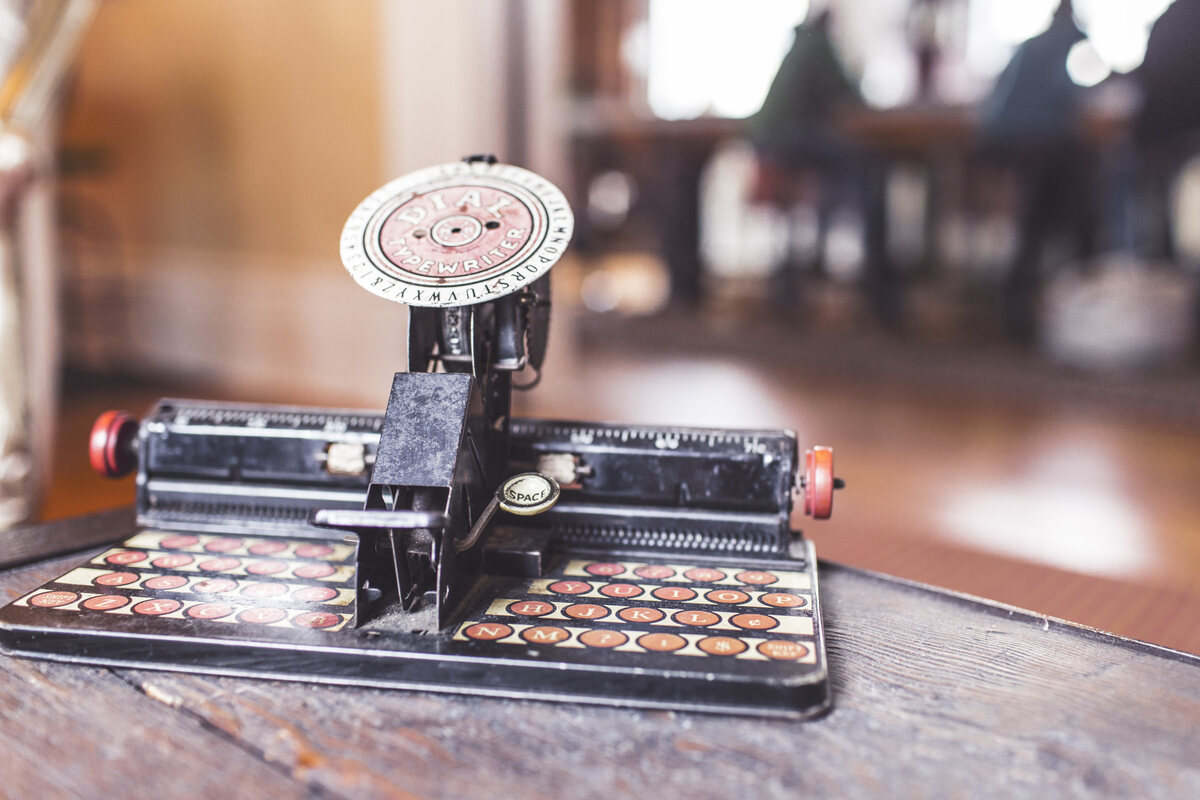
On Ellipsis, the fragmentation running through the film, the way it breaks from linear time in fits and starts, was decided at the board stage: which cuts would read as disassociation rather than a jump cut, and where the anamorphic framing needed to start doing that work before a single frame was shot. On a live set like CMAT's 'Mayday', the board does a different job: less invention, more knowing exactly where twelve tiers of a packed theatre balcony are going to be when the camera needs to see them.
A live event boards differently to a narrative scene
A narrative scene gets boarded with full control: the blocking is invented, the location is known, the light can be planned for. A live event cannot be boarded the same way, because nobody controls where a crowd moves or exactly when a performer decides to walk to the edge of a stage. What gets boarded instead is contingency: this camera covers the wide in case the performer stays centre stage, that camera is ready to follow if they don't. The board stops being a prediction of what will happen and becomes a plan for several things that might.
Documentary sits somewhere between the two. There's no inventing a scene that already exists in someone's life, but there is a board for how to be in the room for it: where a camera can sit without becoming part of what's happening, what's worth having a second angle ready for, when to stop planning and just let the conversation run.
A shoot that runs across several days raises a different problem again: continuity. If a scene's first half is filmed on a Tuesday and its second half on the following Monday, the board is often the only reliable record of exactly where an actor was standing, which hand was holding a cup, what the light was doing. Memory is not trustworthy across five days with other shoots in between. The board is.
Where the board ends and the day begins
A board is a starting position, not a contract. Weather changes, a location falls through, an interviewee says something unplanned and better than anything on the page, and the board has to give way to it. What a good board buys isn't certainty on the day. It's the ability to deviate from a known plan on purpose, because everyone already agrees on what the plan was and why, rather than discovering disagreement live on set when there's no time left to resolve it properly.
Not every project gets a full illustrated board. A single-location interview shoot might get a floor plan and a shot list instead, which does the same job with less drawing: agreement on what gets covered before the camera turns on, and in what order, so a small crew is not relying on memory once the day gets busy. The discipline scales down with the brief. What does not change is the habit of deciding on paper first.
Boarding is unglamorous, and it is where most of a film's problems get solved cheaply, before they turn expensive.