
Video soundtracking
A soundtrack is the music running under a film, composed or licensed, as distinct from the sound recorded on the day. It is not wallpaper sitting under the picture. It is a decision about how an audience is meant to feel at each moment, made as deliberately as any cut in the edit.
Most briefs cannot stretch to a bespoke score, and that is fine: library music, chosen carefully rather than grabbed to fill a gap, does the job for the vast majority of what we make. The skill is the same either way, matching a piece of music's own structure, its builds and its drops, against the structure of the edit rather than just laying it underneath.
Scoring versus licensing
A bespoke score is written to the exact length and shape of the cut, which means it can breathe with the edit in a way a licensed track never quite does, following a pause, landing a beat under a specific moment of eye contact, dropping out entirely when silence does more work than music would. The cost is time: a composer needs the cut locked, or close to it, and needs real back and forth before anything gets recorded or produced, which a tight turnaround often doesn't allow.
Licensing an existing track skips that process, and for most briefs that is the right trade. A well-chosen library track, sourced properly through a licensed platform or a music supervisor, can carry a film just as well as a score, provided it was never built to carry something else. The failure mode isn't licensed music itself, it's licensed music picked to fill a timeline rather than picked because it's actually the right piece of music for what's on screen.
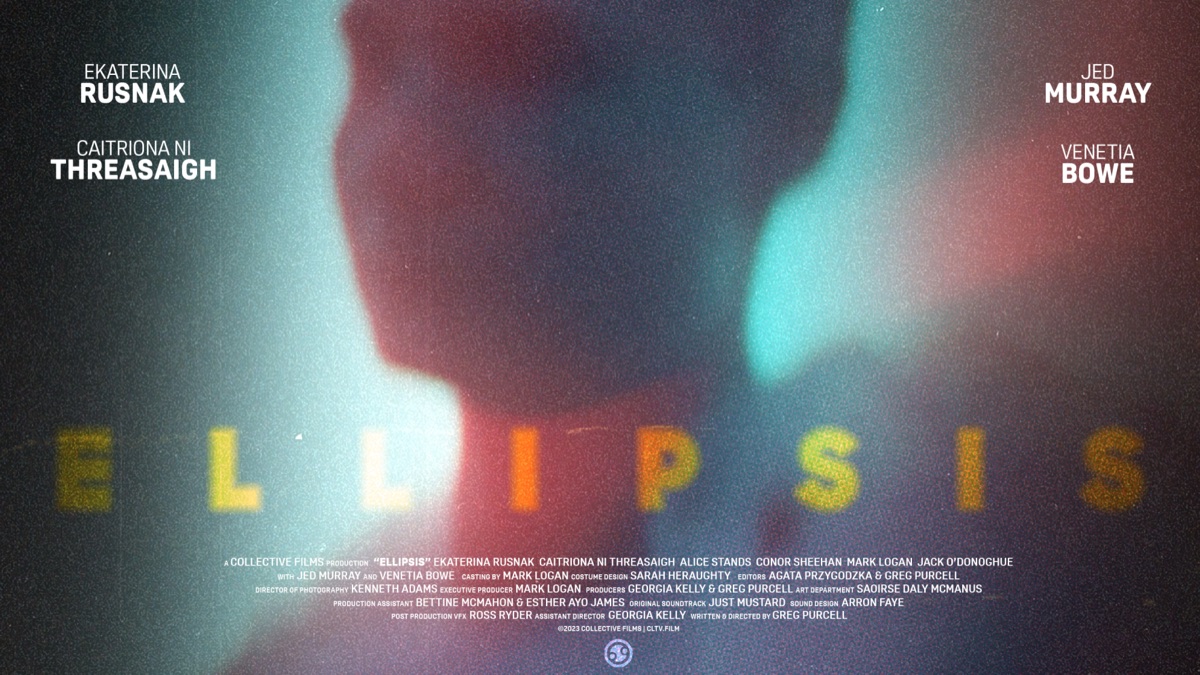
On Ellipsis, the score was written by Just Mustard specifically for the film rather than licensed after the fact, which meant the music could follow the story's own distorted, disassociative sense of time instead of being fitted to it later. That is the version of soundtracking we prefer: composer and editor working from the same brief early enough that the music shapes cuts, rather than just filling the gaps between them.
Why you can't just use the song you want
A track a client loves on Spotify is very often unusable for a commercial film without separate, and sometimes expensive, sync clearance from the rights holders, which can take weeks and still come back as a no. Streaming and sync are different licences entirely: one lets a person listen to a song, the other lets a production legally put that song underneath moving pictures and distribute the result. Clients are regularly surprised that loving a song and being able to afford to use it are two unrelated things.
This is why we raise music early rather than after the edit is finished. A licensing conversation that starts in the first week can usually find a workable option in time. The same conversation started the day before delivery tends to end in a worse, rushed substitute, or a delay nobody wanted.
The scope of the licence matters as much as the track itself. A cue cleared for a single social cut running for three months isn't automatically cleared for a broadcast campaign, a different edit length, or a second year of use, and discovering that gap after a client has already paid for media placement is the kind of mistake that can't be fixed quietly. We check the territory, the duration, and the intended platforms against the licence before anything gets signed off, not after.
We avoid music that announces itself before the picture does. A track an audience half-recognises from an advert somewhere else undercuts a film faster than almost anything, because it reminds people they are watching something made rather than something real.
Temp tracks, placeholder music dropped in during the edit to test pacing, have a way of becoming the actual choice by accident. An editor gets used to a piece of music and starts cutting to it, and by the time licensing or composing starts, replacing it can feel like a loss rather than a decision.
Music arrives before the story does
An audience reads the emotional register of a scene from its music within the first couple of seconds, often before they've consciously registered what's actually happening on screen. A static wide shot of an empty room reads as sad under a slow, minor-key cue and reads as tense under something sparser and more clipped, with nothing about the picture itself having changed. That's a genuinely useful tool, and also the reason a mismatched or generic choice does real damage: it tells the audience how to feel a beat before the story earns that feeling honestly.
Tempo does similar work on pacing, separately from mood. A cut that feels slow against silence can feel exactly right once a track with enough forward motion sits underneath it, because the audience is borrowing momentum from the music rather than from the edit itself. We'll sometimes cut a sequence to a guide track early specifically to find that rhythm, then swap in the final piece of music once it's cleared or composed, checking the cut still lands the same way against it.

Not every project can afford a bespoke score, and library music done well is still a craft: knowing what to listen for, and just as much, what to leave out.