
Video pre production
Pre-production is everything that happens before a camera turns on: locations locked, permissions sorted, a schedule built to survive contact with the weather. Most of what makes a shoot day work is invisible by the time filming starts. It is the unglamorous half of the job, and it is where a film actually gets won or lost.
Most of the actual work is logistics rather than creativity: confirming a location will let a crew in at the hour the light is right, checking whether a generator is quiet enough for a noise restriction, working out whether a permit covers a drone as well as ground filming. None of it shows up in the finished film. All of it decides whether the finished film gets made at all.
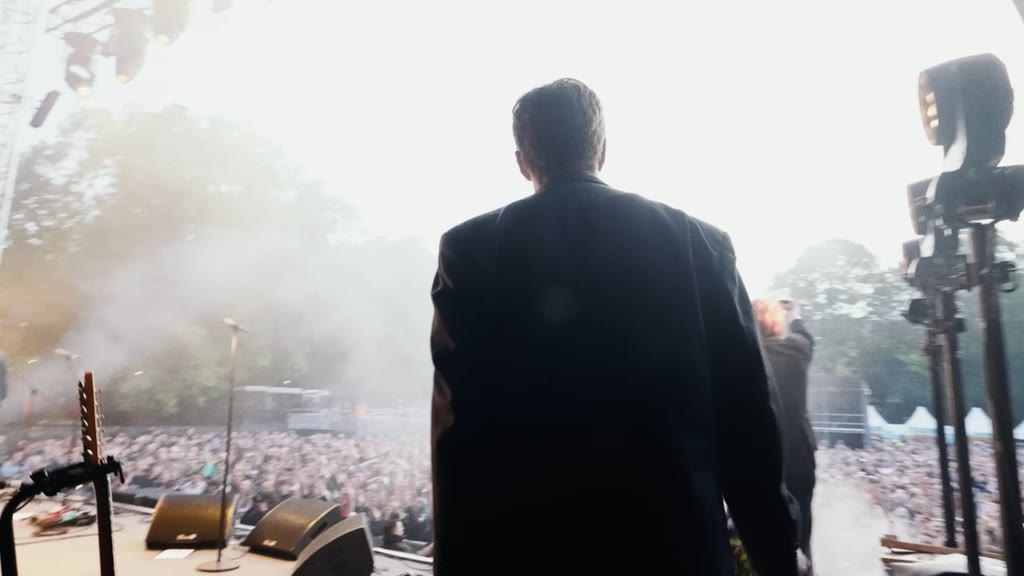
Scheduling against the clock
A shoot day is bought by the hour, whether that hour goes to filming or to a crew standing around waiting for a room to be cleared. A schedule gets built backwards from the hardest constraint first, usually a location's access window or a contributor's availability, and everything else gets fitted around it. Buffer time is not slack: it is the thing that stops one late setup from cascading into every setup after it losing its slot.
The real cost of an overrun is rarely the extra hour itself. It is what that hour pushes out: a second location that was booked for the afternoon, a contributor who has another commitment at six, the light that was right for an exterior shot and will not be right again until the same time tomorrow. A schedule is really a series of bets about how long things take, and the experience that goes into pre-production is mostly about making those bets accurately rather than optimistically.
What a scout actually checks
A location scout is less about whether a place looks right on camera and more about whether it will function on the day. Power is the first question: whether there's a usable supply for lighting and playback, or whether a generator needs to be brought in and, if so, how far from the action it has to sit to stay out of shot and out of every microphone. Noise is the second: a location that reads as peaceful on a Tuesday afternoon recce can sit under a flight path or beside a building site that only starts work at eight.
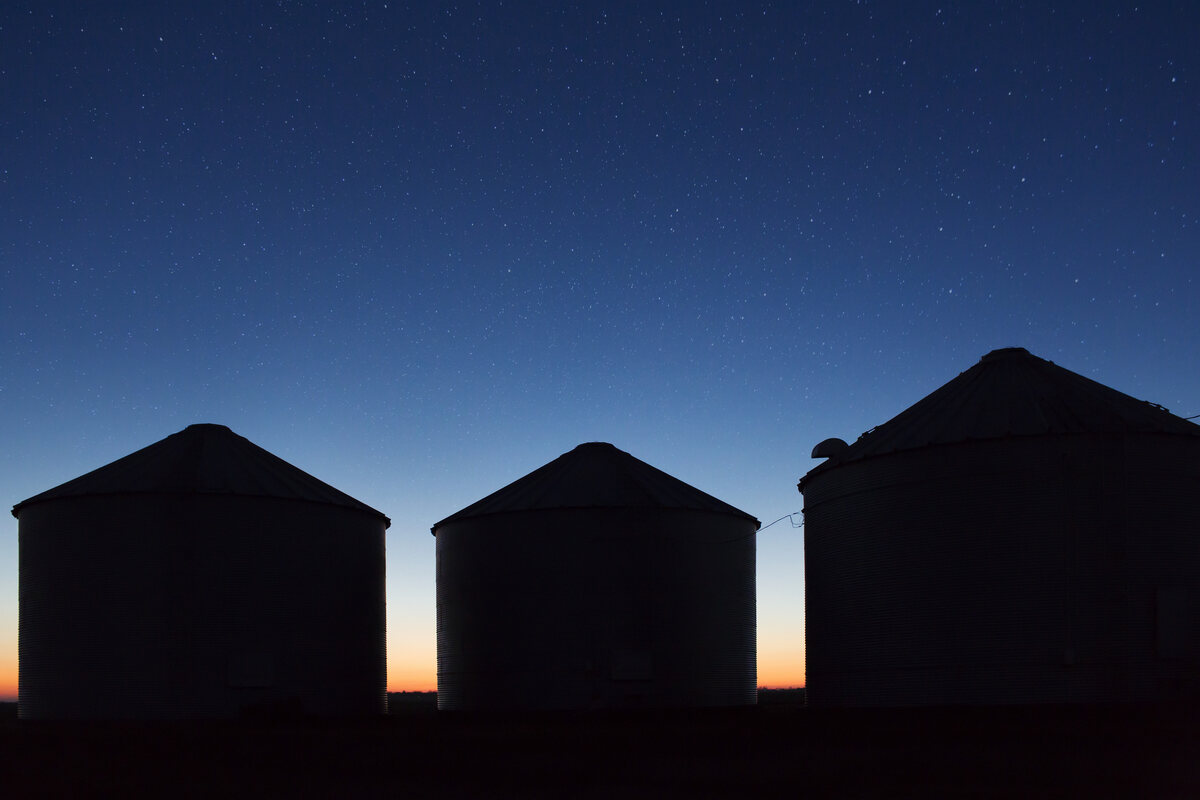
Light direction matters more than most people expect from a location that is, on paper, just indoors or just outdoors. A room that looks beautifully lit at eleven in the morning can go flat and grey by three, and an exterior that faces the wrong way for a sunset shot cannot be fixed by anything short of moving the shoot to a different day. Permissions get checked properly too: who actually has the authority to say yes to filming on a given patch of ground, because it is not always the person who first seems helpful on the phone.
The Busk Concert Film happened because pre-production compressed itself into twelve days. Twelve days before Christmas, covid restrictions meant the outdoor Busk on Grafton Street could not go ahead, so Bono, Glen Hansard, Damien Rice, Lisa O'Neill, Cormac Begley, Liam O Maonlai and The Frames were brought together instead for one night at St Paul's Cathedral. Normally that timeline runs to months, not days. What did not change was the discipline: who is where, with what gear, and what happens the moment the first plan does not survive contact with reality.
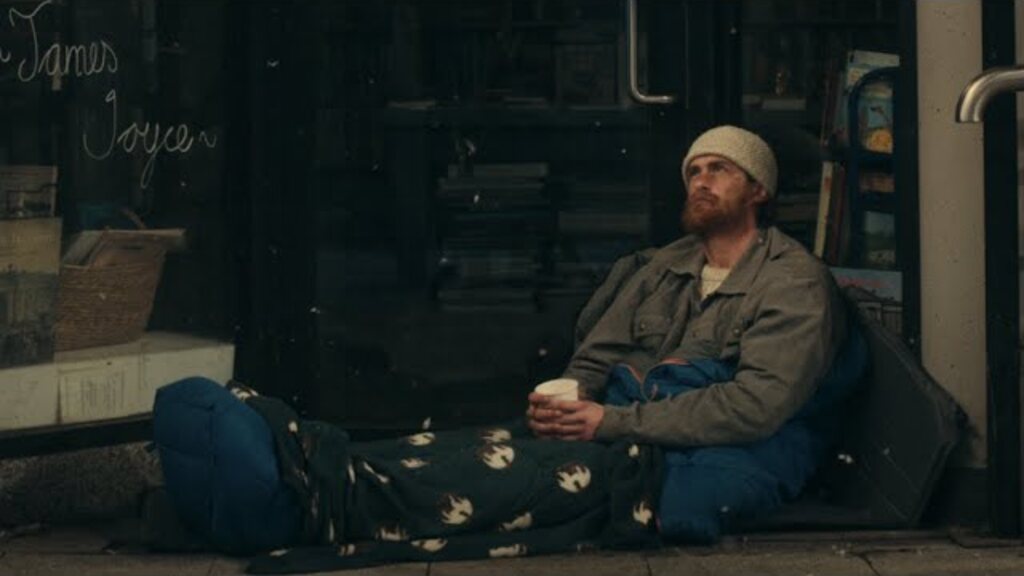
Casting and crew, booked early
Specialist crew and contributors get locked in well before a shoot date is confirmed to the client, not after. A steadicam operator, a drone pilot with the right licensing, an interviewee whose own schedule is already full months out: all of these have lead times that run longer than most people assume, and finding out about a conflict a week before the shoot is far more expensive than finding out two months before it. Casting, where it's involved, works the same way. A good contributor on camera is rarely the most senior person available; it's whoever can talk about the subject without reciting a line they've been handed.
Risk assessment sits in here too, unglamorously. It is the part of pre-production most likely to get skipped when a schedule is tight, and it is the part that actually protects a crew and a client when something on the day does not go to plan. A five-minute document written the week before saves a much longer conversation the week after.
Why the shoot day looks easy
A shoot day that runs smoothly looks, from the outside, like nothing much is happening: a crew setting up, a director glancing at a monitor, nobody rushing. That calm is the visible result of an invisible amount of pre-production work, not an absence of problems. The problems got solved weeks earlier, on a phone call or a recce or a spreadsheet, long before anyone with a camera turned up.
We keep a small crew on purpose. Fewer people means fewer handoffs, and pre-production is mostly about closing the gaps where a handoff drops something.
Weather gets a contingency plan on any exterior shoot, because Irish weather does not reliably hold for a single afternoon, let alone a full day. That usually means an alternative indoor setup that can be filmed instead without the whole schedule collapsing, agreed with the client in advance rather than improvised on the morning when the forecast turns. Nobody enjoys building a plan for the shoot they hope not to need, but it is cheaper than losing the day entirely.