
Video post production
Post-production is everything that turns raw footage into a finished film: editing, sound, colour, graphics. A shoot produces material. Post is where that material becomes something an audience actually watches, and it is a much longer, much less visible part of the job than anyone outside it expects.
The first cut is usually the roughest and the most useful. An assembly edit puts every usable piece of footage in order with no judgement yet about length or pace, which sounds wasteful but is not: it is the only way to actually see what was shot, rather than what the shoot day felt like from inside it.
Assembly is where the story gets found
An assembly cut answers one question before any other: what did we actually get. A shoot day runs on a plan, but the plan is a prediction, not a record, and the footage rarely matches it exactly. An interview might run long and strange in a way that turns out to be the best thing in the film. A scripted beat might fall flat on screen despite reading well on paper. None of that is visible until the material is strung together in order, so the assembly comes first and the judgement comes after, not the other way round.
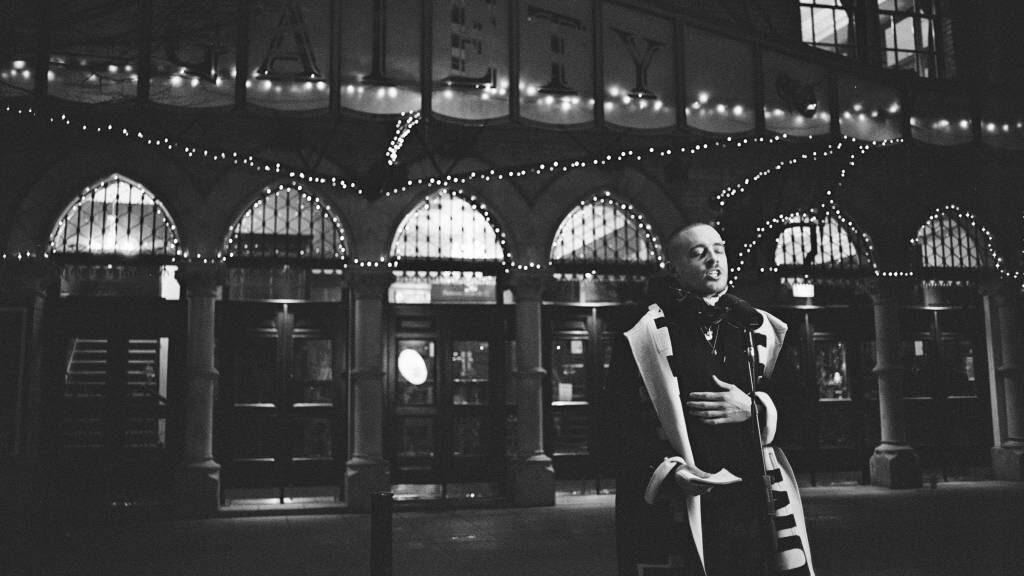
A feature documentary like Origins: the story of Irish hip hop or The Busk Documentary can spend far longer in the edit than it ever spent on location, structuring years of interviews and archive into something that plays in under ninety minutes. A single day's shoot for a shorter brief goes through the same stages, just compressed: assembly, a structural pass, picture lock, then sound and grade.
The handoff to sound and colour
Picture lock is the signal that starts two other jobs at once. Sound design and the mix can only really begin once the edit stops moving, because a sound edit built against a cut that then changes has to be rebuilt against the new one, and the same is true of a colour grade built shot by shot against a specific sequence of cuts. Locking the picture first and running sound and colour afterwards, sometimes in parallel, is what keeps a production from paying twice for the same work.
That handoff only works cleanly if picture lock actually means locked. We've worked on projects elsewhere where a client kept trimming frames after sign-off, which doesn't look like much from their side but means every downstream department has to re-check their work against a moving target. A four-frame trim near the top of a scene can shift every sound cue and colour correction mark that follows it for the rest of the film, so what reads as a tiny request is often a day of rework spread across two other departments. We treat the lock as a hard line for exactly that reason.
Feedback rounds are where a lot of post-production time actually goes, more than the cutting itself on a longer project. We build review points into the schedule rather than treating them as delays, because a client catching something in a structural cut costs an afternoon. The same note caught after the grade and mix are locked costs a week.
Version control is a production discipline, not an IT problem
A single project can run through a dozen named cuts before it's finished: assembly, structural v1, structural v2, client review cut, fine cut, picture lock, broadcast master, social cutdown. Losing track of which version a note was given against, or which file actually went out to a broadcaster, is one of the few mistakes in post-production that's genuinely hard to undo once it's happened. We name and date every export the same way on every job, dull as that sounds, because the alternative is finding out six months later that the wrong cut is the one still sitting on a client's server.
Picture lock is the point of no return. Nothing about the edit itself changes after it, only how it sounds and how it looks, which is why we treat it as a proper sign-off rather than a quiet milestone nobody notices passing. Everyone who needs to approve the cut does so before that point, in writing, not after.
Editing is authored, not assembled
It's tempting to think of editing as the technical stage after the creative stage has already happened on set, but a lot of what a film actually says gets decided here. Which take of a line reading survives, how long a shot holds before the cut moves on, whether a reaction gets shown or withheld: these are authorial choices with as much weight as anything decided during filming, made by someone who usually wasn't in the room when the footage was shot and has to find the story in what's actually there rather than what was planned.
Turnaround expectations vary enormously by project, and setting them honestly at the start saves arguments later. A straightforward brand piece with a clean shoot can go from assembly to delivery in a week. A documentary with dozens of hours of interview footage to work through, archive to licence and structure to find from scratch can run for months, and trying to compress that timeline rarely makes the film better, it just moves the same decisions later and makes them under worse conditions.
Most of the decisions that make a film feel finished happen after the crew has already gone home.