
Video ideation
Every film starts as a conversation before it is a shot list. Someone says a sentence that will not leave them alone, and the job becomes working out whether there is a film hiding inside it. Ideation is that stage: turning a loose idea, a feeling or a subject into something specific enough to pitch.
Some ideas arrive with a client already attached, and some do not. A brief can start as a single line in an email, a subject a charity has been trying to get right for years, or a reference someone half-remembers from a festival. The job is the same in every case: work out what is actually true about it, and what would make someone who already knows the subject sit up rather than switch off.
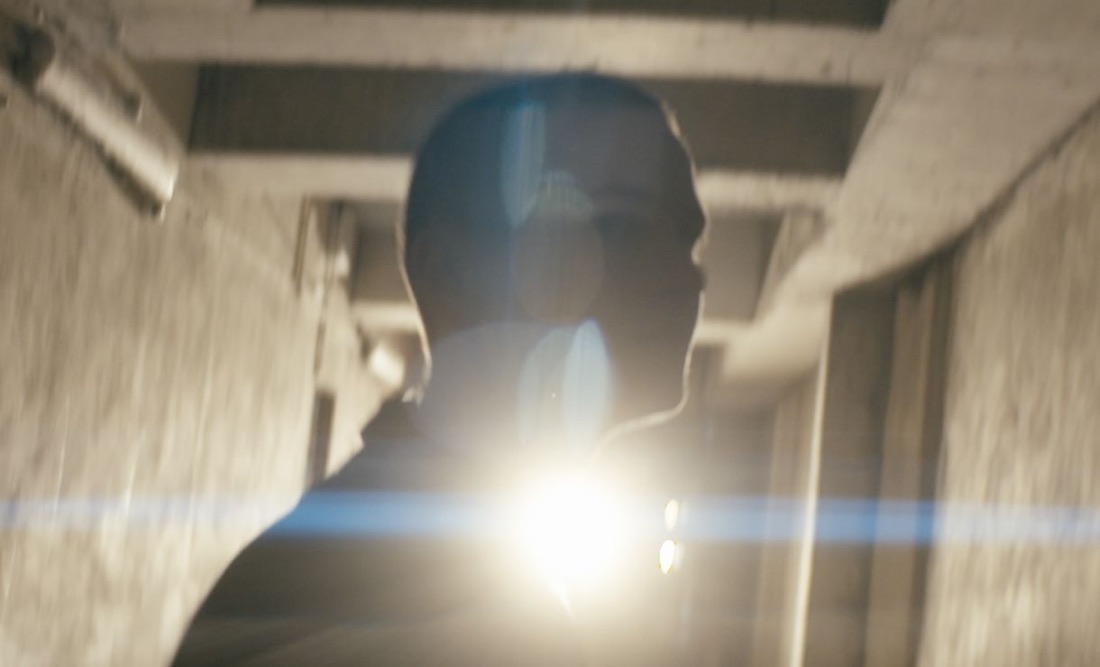
Killing an idea early is cheaper than killing it late
Most ideas that get pitched in a first session are fine and forgettable, the version of the brief anyone in the room would have landed on independently. The actual work starts after that: asking what happens if this idea meets an audience who already knows the subject, whether it says anything a previous film on the same topic hasn't already said, and whether it still holds up once you take away the mood music and the nice turn of phrase it arrived wrapped in. An idea that only works with the right soundtrack over it isn't an idea yet.
It's far cheaper to find the hole in a concept on a whiteboard than three days into a shoot. So a good ideation session spends more time trying to break an idea than defending it, which feels unproductive while it's happening and saves the budget later. The ideas that survive that process tend to be sturdier and less decorative than the ones that don't get questioned at all.

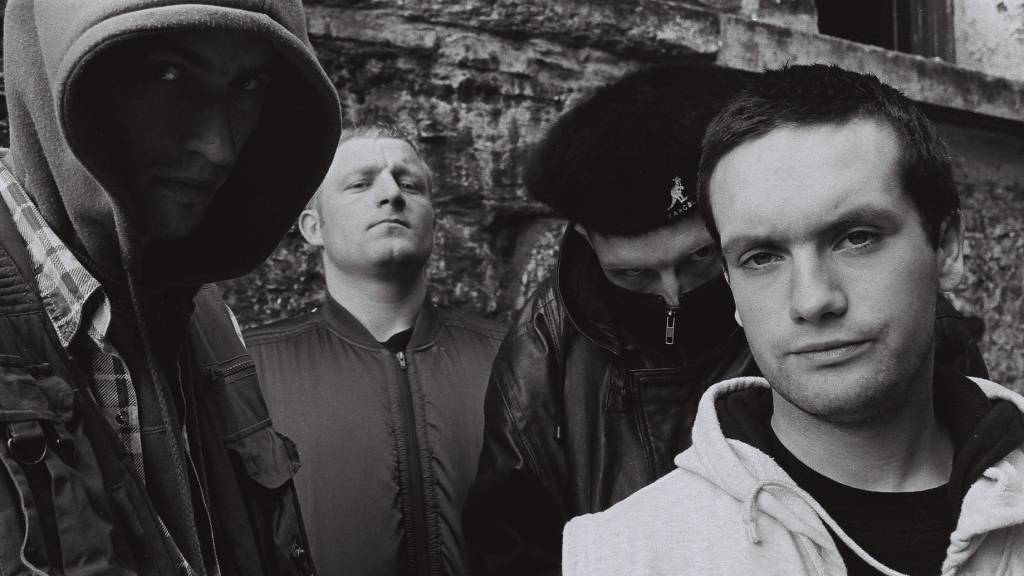
Origins: the story of Irish hip hop began as a straightforward brief from Red Bull and turned, in the room, into a decision to build the film around the people who lived the scene rather than a narrated timeline of the facts. Ellipsis had no brief at all. Greg Purcell wrote it because a version of the future kept bothering him, and the studio backed the idea before a client was anywhere near it.
A brief is a constraint, not a limit
A loose brief sounds like more creative freedom and usually produces worse ideation, not better, because there's nothing to push against. "Make something for our 2027 campaign" invites fifty generic directions. "Make something for people who've already said no to us twice" invites one or two sharp ones. The tighter and more specific the constraint, the faster a room gets to an idea that couldn't belong to anyone else's brand or cause.
That's also why a brief from a first-time client often needs a session just to interrogate the brief itself before any ideation on the film can start. Clients are usually experts in their own field, not in what makes a convincing seven minutes of film, so the brief they hand over is sometimes a description of the problem rather than a description of the film. Separating those two things out is part of the job.
Where an idea actually comes from
Ideation rarely starts from a blank page in a meeting room. It starts from research: reading everything that already exists on a subject, finding the detail nobody else's coverage picked up on, sitting with the people the film is actually about rather than the press release written about them. The idea is usually already sitting inside that material somewhere, half-formed, and the job is noticing it rather than inventing it from nothing.
That research stage is also where you find out an idea is wrong before anyone has to say so out loud in front of a client. A charity might assume their audience responds to statistics when a single conversation with someone who uses their service shows the opposite: that the number everyone quotes has gone numb from repetition and a specific, small detail does more work than the headline figure ever did. You can't know that from a brief document. You only find it by talking to people before deciding what the film is about.

We keep a short list of ideas that never went anywhere, on purpose. Most films that get made well started as the fourth or fifth version of a pitch, not the first, and the ones rushed out fast are rarely the ones anybody remembers afterward. Slow is not the enemy here. A weak idea shipped on time is still a weak idea.
Surviving contact with a real budget
The last stage of ideation isn't creative at all. It's arithmetic: does this idea need three locations or can it work with one shot three different ways, does it need a cast of fifteen or does it actually land harder with one person talking straight to camera, does the schedule it implies fit inside what the client can actually fund. An idea that only works at double the available budget isn't a smaller version of itself waiting to be cut down. It's usually a different, weaker idea wearing the first one's clothes.
Ideation is the part of the job that looks the least like work from the outside. It is mostly reading, arguing, and throwing out the ideas everyone in the room would have had anyway.