
Video creative direction
A director gives a shoot its shape before the camera turns on. Wardrobe, set, the way a colour sits against skin, whether a scene needs quiet or noise: someone has to decide, and decide early enough that the whole crew is building the same film on the day. That is creative direction, the work of deciding what a film should look and feel like before a single frame is shot.
The decisions are not always big. A director might spend an hour deciding whether a jacket reads as confident or costume, because on screen the difference is the whole performance. Reference boards help start that conversation, but they stay a starting point rather than a target: copying someone else's shoot is the one thing good creative direction is meant to prevent.
Setting a throughline, not a shot list
A shot list tells a crew where to point the camera. Creative direction is the layer underneath that: the small set of decisions, made before the shot list exists, that everything else gets checked against. What does confident look like on this person. Does this room feel lived in or staged. Is the light meant to flatter or to expose. Get those answers settled early and a crew can improvise around them all day without the film drifting. Leave them unsettled and every department ends up guessing separately, which is how a shoot ends up with beautiful footage that doesn't actually belong together.
The trick is deciding enough without deciding everything. A director who specifies every frame in advance leaves no room for what the location or the performer actually gives on the day, and that's usually where the best moments come from. Creative direction sets the boundary a scene has to stay inside. It doesn't choreograph what happens within it.
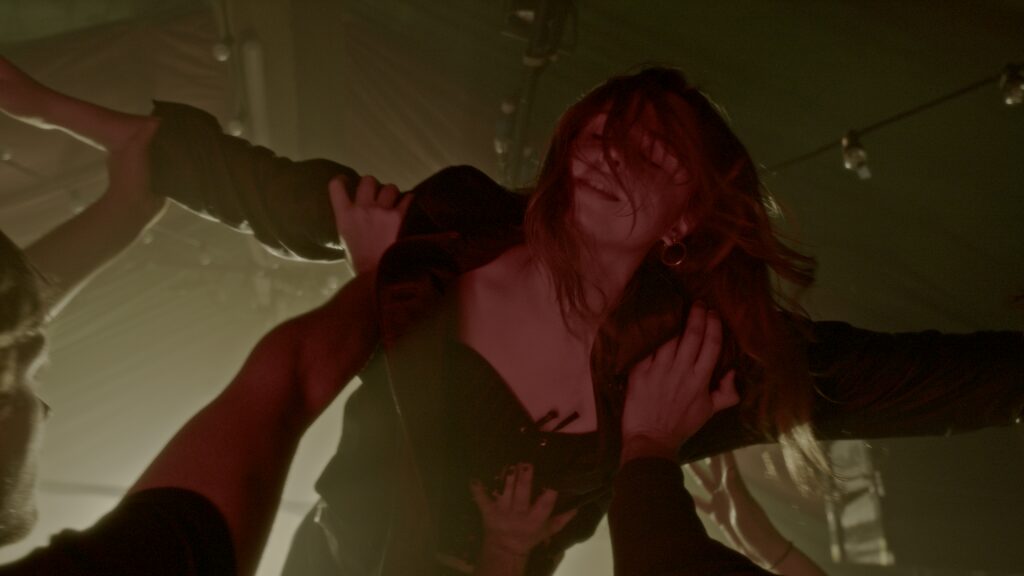
For Denise Chaila's 'Chaila', creative direction meant building a world from the record rather than borrowing one: set design, casting and art direction all pulled toward the raw honesty of the song rather than a generic music video look. For CMAT it meant hanging a painting on a domestic wall and building a whole shoot around the joke sitting inside it. Different records, same job: find the image the song is already asking for, then make sure every department is chasing it.

Not the same job as directing a performance
The two roles overlap on a small shoot and split apart on a bigger one, and it helps to keep them separate even when one person is doing both. Directing a performance is about a person: what they're feeling in the scene, how a line lands, when a take is true and when it's acting at the camera rather than through it. Creative direction sits above that, deciding what world the performance happens inside. A performer can give an honest, specific take that is nonetheless wrong for the film, because the room around them doesn't match what the story needs. Catching that early is creative direction's job, not the performer's.
On a music video this split is often most visible in how notes get given between takes. A note about performance goes to the artist directly: more weight on that line, hold the stillness a second longer before the turn. A note about creative direction rarely goes to the artist at all. It goes to the person dressing the set, or the gaffer, because the problem usually isn't what the performer is doing, it's what's sitting around them. Confusing the two leads to a common mistake: asking a performer to act their way out of a problem that was actually built into the room before they walked into it.
Where the reference deck stops being useful
Every brief arrives with images attached now: a folder of stills, screenshots from other people's videos, a mood board somebody built in an afternoon. Those are genuinely useful for getting a room to agree on a word like 'warm' or 'stark' before the money is spent finding out they meant different things by it. The risk is treating the deck as the destination. A reference is a direction of travel, not a shot to replicate, and a shoot that just restages its references ends up looking like an impression of someone else's work rather than its own thing.

It is also the department most likely to get squeezed under a tight budget, which is usually a mistake. A film with no creative direction still has one, by accident, made up of whatever the location and the weather hand the crew that day. Deciding on purpose rarely costs what people assume it will, and it is the difference an audience feels even when they could not say why.
When the brief and the day disagree
A location falls through, the weather turns, or a client sees the first setups and gets nervous about a direction they signed off on a week earlier. This happens on most shoots in some small form, and the instinct to relitigate the whole concept from scratch in the middle of a shoot day is almost always the wrong one. The better move is to go back to the reference everyone already agreed, point at the specific thing that's now in question, and solve that one piece without reopening everything around it. Most disagreements on set turn out to be about one decision, not the whole film, once someone actually names which one.
We work this way with agencies too. A brand brief usually arrives with a deck of references. Our job is to take the feeling behind those references and make something that could not have come from anyone else's shoot.