
Video animation
Animation is footage built frame by frame rather than filmed: drawn, rendered or built in software instead of shot with a camera. On our projects it is usually in service of something live-action rather than standing alone: a title sequence, a transition, a graphic layer sitting over real footage rather than replacing it.
Most of what we build sits closer to motion graphics than to animation in the traditional, frame-by-frame sense: a lower third, a map, a statistic that needs to move rather than just appear on screen. True animation, where a character or a whole scene is built without a camera anywhere near it, comes up less often on the work we take on, and when it does it usually means bringing in a specialist rather than stretching the in-house team to cover a craft outside what we do every week.
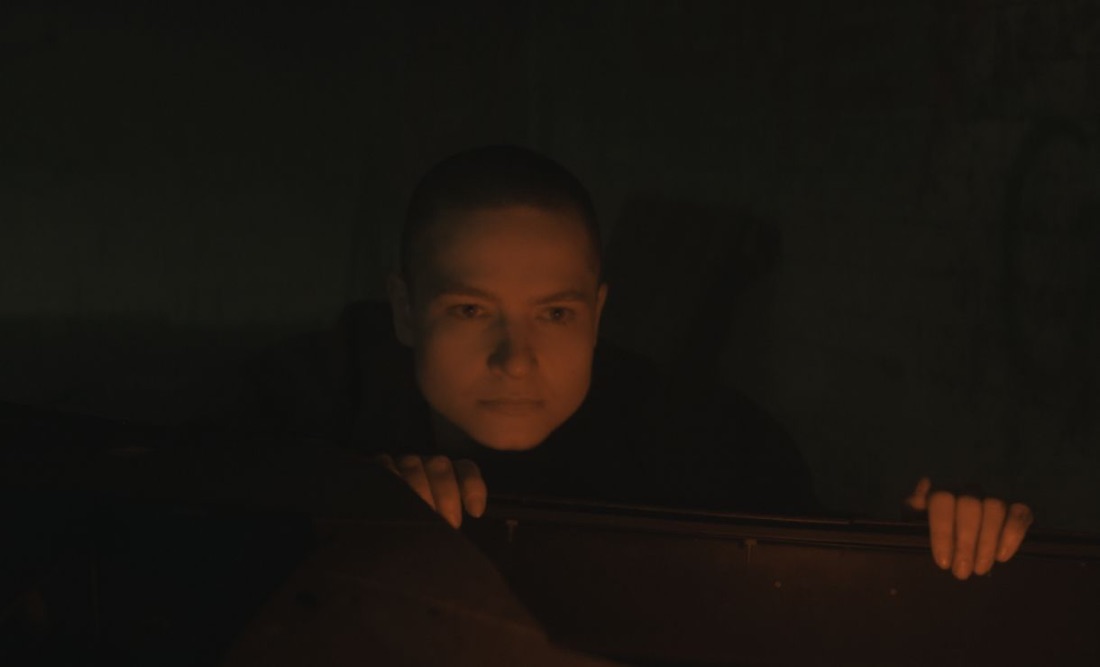
An animatic comes before the animation
Before anything is actually drawn or rendered, the storyboard gets turned into an animatic: the boards cut together in sequence, timed against a guide track or a rough voiceover, so the pacing can be judged before a single frame of finished artwork exists. This is where most of the real decisions get made. Changing a shot's timing in an animatic costs an afternoon. Changing it after full animation is underway can mean redoing work that took days to build, which is why so much of the schedule on an animated piece sits before the obviously "animated" part even starts.
A client watching an animatic for the first time is usually seeing something closer to a moving comic strip than a finished film, static artwork cut to rough timing, and it takes some managing to get them judging pacing and structure rather than reacting to how unfinished the drawings look. That gap between what an animatic is for and what it looks like is one of the more common points of friction on a project, and it is worth naming out loud before the first cut goes out.
A documentary title card, the kind that opens a film like Origins, is doing a specific job: setting tone before a single interview has played, in a few seconds, with type and motion instead of picture. That is a smaller, more disciplined use of animation than a fully animated film, and it is most of what gets asked for on the kind of work we do.

Why an animated minute takes longer than a filmed one
A minute of live-action footage gets shot in roughly a minute, give or take setup and retakes. A minute of animation has no such relationship to real time. Every frame, or every few frames depending on how the piece is built, has to be drawn, posed or rendered individually, and the schedule scales with the complexity of what's on screen rather than with the length of the finished clip. A simple line-drawn sequence with two moving elements might come together in days. A dense, fully rendered scene with several moving characters can take the same crew weeks for the same screen time. Briefs that treat animation minutes like filming minutes tend to run into schedule trouble early, which is why we push to understand what's actually in a shot before quoting a turnaround.
Stylised work and photoreal work are different jobs
An illustrative, hand-drawn or flat-vector style and a fully rendered, photorealistic one are not just two tastes along the same scale. They use different software, different skill sets and different review processes, because an audience judges them by completely different standards. A stylised character can move in a slightly odd way and read as charming. A near-photoreal one moving slightly wrong reads as broken, the effect sometimes called the uncanny valley, where close-to-real is more unsettling than openly unreal. Knowing early which side of that line a brief sits on changes who gets put on the job and how the work gets reviewed along the way.
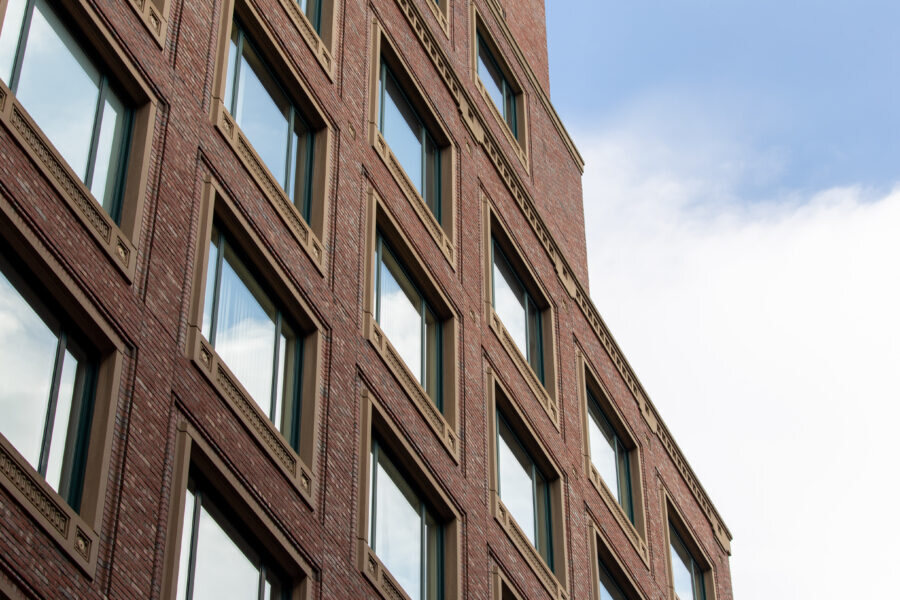
Most of what we build has to sit on top of real footage rather than replace it, which means it has to be tracked to the camera's own movement: a graphic pinned to a wall as the shot pans, a statistic that follows a moving subject. Get the tracking even slightly wrong and the eye catches it immediately, the way it catches a shadow falling the wrong direction, even in viewers who couldn't explain what looked off. That tracking work is often the least visible part of the job and the part most likely to sink a shot if it's skipped.
The tools matter less than the decision behind them. A hand-drawn title card and a rendered sequence are built in completely different ways, but the question that decides which one gets used is the same: what does this need to do in the two or three seconds an audience actually looks at it. A title card trying too hard to be clever usually undercuts the film it is meant to be opening, which is the opposite of the job.
Where a brief needs more than that, a title sequence, an explainer, a fully animated sequence, we treat it as its own craft, built by whoever on the team is best placed for that specific look rather than defaulted to a house style. The brief dictates the approach, not the other way round, which sometimes means telling a client that the house style isn't right for what they're actually asking for.