
Photo shooting
A still photograph does a different job than a frame pulled from video. It has to hold attention on its own, with no motion or sound to carry it, which changes how you light a subject and how you direct them. Photo shooting covers any brief that ends in a still image rather than a moving one: portraits, campaign artwork, press stills. A frame grabbed from footage is built to be seen for a fraction of a second as part of a sequence, and it shows: the focus is often soft and the composition assumes motion either side of it, which is why it rarely holds up at the size a poster or a homepage banner needs.
Direction matters more here than on a video set, not less. A subject on camera can hide behind motion, a reaction that lasts half a second, a line delivered and moved past. A still has to hold the whole idea in one frame, which means the direction has to be more precise about exactly what expression, what angle, what gesture is doing the work.
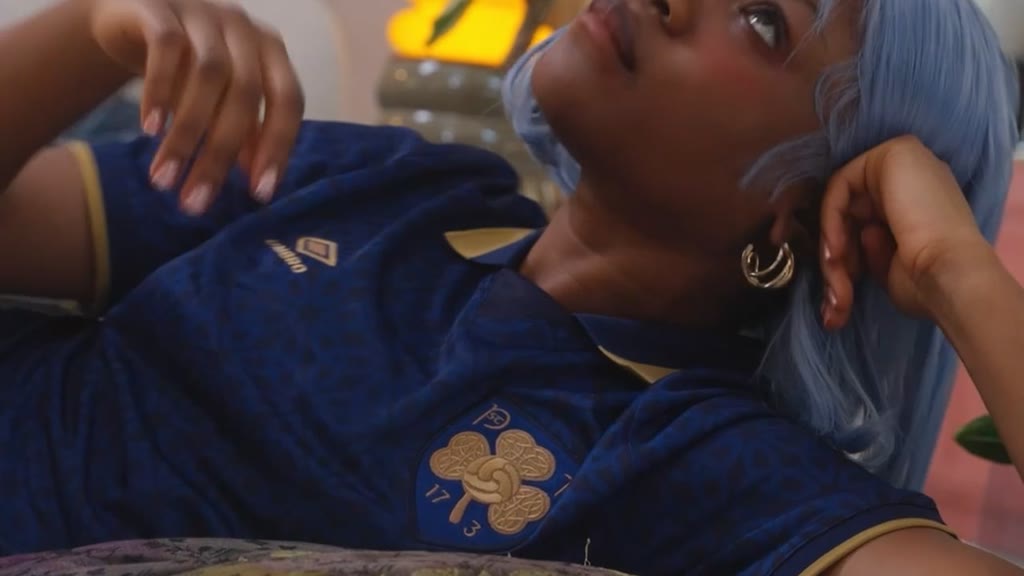
Unit stills and a dedicated shoot are different jobs
Unit stills document a shoot as it happens: a photographer working around the film crew, catching real moments between takes, behind-the-scenes images for a client's own archive or social channels. A dedicated shoot is the opposite. The set is held, the subject is posed and directed specifically for the still camera, and nothing else is happening at the same time that the photograph has to work around. Most briefs need some of both, and it is worth being clear at the start of a project which one a client is actually asking for, because they are planned and budgeted differently.
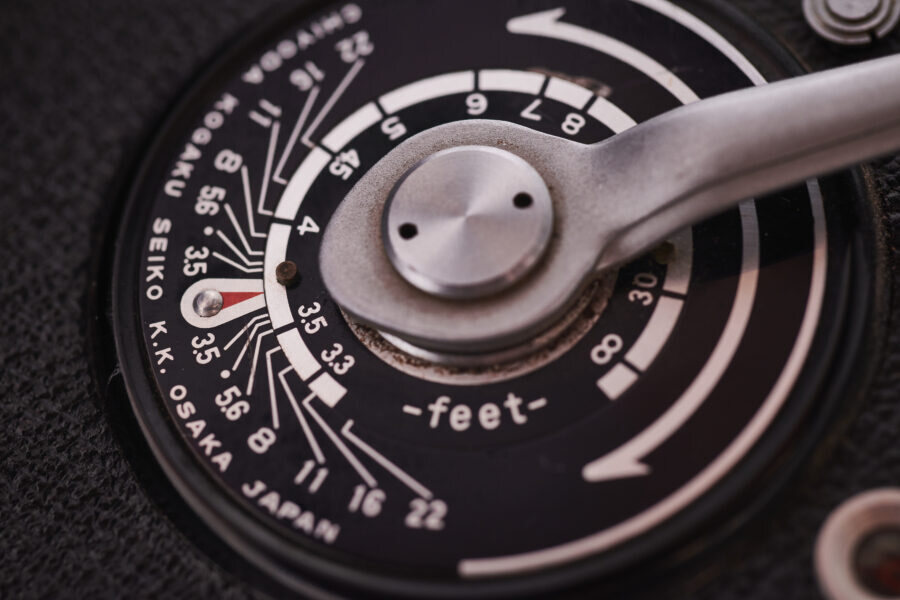
For Jazzy's 'No Bad Vibes', the photography ran alongside the video shoot rather than after it: same set, same styling, a separate eye making sure the campaign had images that worked as stills in their own right rather than screenshots pulled from a timeline. We shoot this way on most music and brand work now, because a client almost always needs a still before they need the finished film, for a poster, a single piece of artwork, a press image.
Working around a film crew without working against it
A stills photographer on a film set has to earn their shots in the gaps: the seconds before a director calls action, the beat after they call cut and before anyone has moved out of position, the rehearsal passes where performers are already committed but the sound department isn't rolling yet. The shutter on most cameras is audible, which means a photographer working during an actual take can ruin the audio department's recording even from several metres away, so timing isn't a courtesy, it's a hard constraint. On a well-run set the photographer and the first assistant director agree a rhythm for this early, rather than negotiating it shot by shot through the day.
What actually makes a still usable
A nice-looking photograph and a usable one are not automatically the same thing. A press or social still has to survive being cropped to a square, a portrait, and a wide banner without losing the subject, which means the photographer is thinking about headroom and negative space while they shoot, not fixing it afterwards. It needs to read correctly with no caption attached, because most of the time it will be seen without one, on a thumbnail, in a feed, at a fraction of its full size. A beautifully composed image that only works at full resolution with the right context around it is a liability for a client's marketing team, not an asset.
Delivery matters too. A client's marketing team usually needs more than one crop and more than one file size from the same image: a high-resolution version for print, a compressed web version that still looks sharp on a retina screen, sometimes a version with space left deliberately blank for a logo or a headline to sit over. Building those variants after the shoot is far easier than trying to recreate framing from a single delivered crop once the set has been struck and everyone has gone home.
We shoot stills on the same crew day as the film wherever we can, rather than booking a separate photographer for a separate day. It costs less, and the photography comes from the same read of the brief as the film, rather than a second interpretation of it made without the context of actually being on set. The stills usually get delivered before the finished film does, which suits a brief that needs something to publish while the edit is still under way.
Light that works for video doesn't always work for stills
A lighting setup built for motion is often a compromise a stills camera doesn't have to make. Video exposes at a fixed shutter speed tied to frame rate, so a cinematographer lights for a consistent, moving image across a whole scene. A stills camera can use a much faster shutter or a flash synced to freeze a single instant completely, which means a photographer can sometimes get away with less light, or a harder, more dramatic light, than the video camera next to them could ever use without the image looking underexposed on playback. The two crews end up wanting slightly different things from the same room, and sorting that out before the day starts saves an argument on set about whose light gets priority.
Photo shooting sits under the same creative direction as the film it comes from. It is not an afterthought bolted onto the end of a shoot day.