
Journal
In-house vs outsourced video production in Ireland

In-house vs outsourced video production: neither model wins outright, so decide by purpose, volume and quality first, then cost. For many organisations a hybrid of the two works well.
Key takeaways
- Indeed lists an average videographer/editor salary of €33,903 per year in Ireland, based on just 5 salaries from job postings, so treat it as a rough guide rather than a wage statistic (Indeed, updated 23 October 2026).
- Salary is only part of the in-house cost: recruitment, pensions, software, cameras, storage, insurance and management time all sit on top.
- One Dublin production company's rate card lists a director at €900 to €1,750 per day, with crew prices exclusive of VAT at 13.5% (The Production Company).
- Adding five published day rates from that card gives €2,925 to €3,775 in labour for one shoot day, before VAT.
- Most client shoots on that card involve one full day plus one prep day and a half day of returns, so a shoot is rarely a single paid day.
- The practical test: divide your full annual commitment by the number of videos you actually finish, and compare that with quotes for the same work.
Corporate video production in Ireland and Dublin is now part of everyday business communication. Companies use it for recruitment, training, internal updates, customer stories and stakeholder engagement. When you are deciding between an in-house videographer and an outsourced partner, the choice is bigger than comparing a salary with a quote.
We recommend starting from the work you need to produce, the quality you expect and the pressure your team is already under. A regular stream of short internal updates calls for a different setup from a flagship brand film. In many cases the best answer is neither fully in-house nor fully outsourced, but a mix of both. As a video production company in Ireland, we see both models work well, and both fail, depending on how they are chosen.
What should you decide before you hire or outsource?
Before building a team or commissioning a project, define what video needs to do for your organisation. A film explaining a new process needs speed and clarity. A brand film building trust needs stronger creative direction, more considered visuals and more careful planning. The purpose comes first; the staffing model follows.
Five practical factors shape the decision. How often you need videos throughout the year. Whether the work is simple and repeatable or creatively ambitious. How quickly content needs to be filmed, edited and approved. Which skills are already available within your team. And how much production risk your organisation is prepared to manage itself.
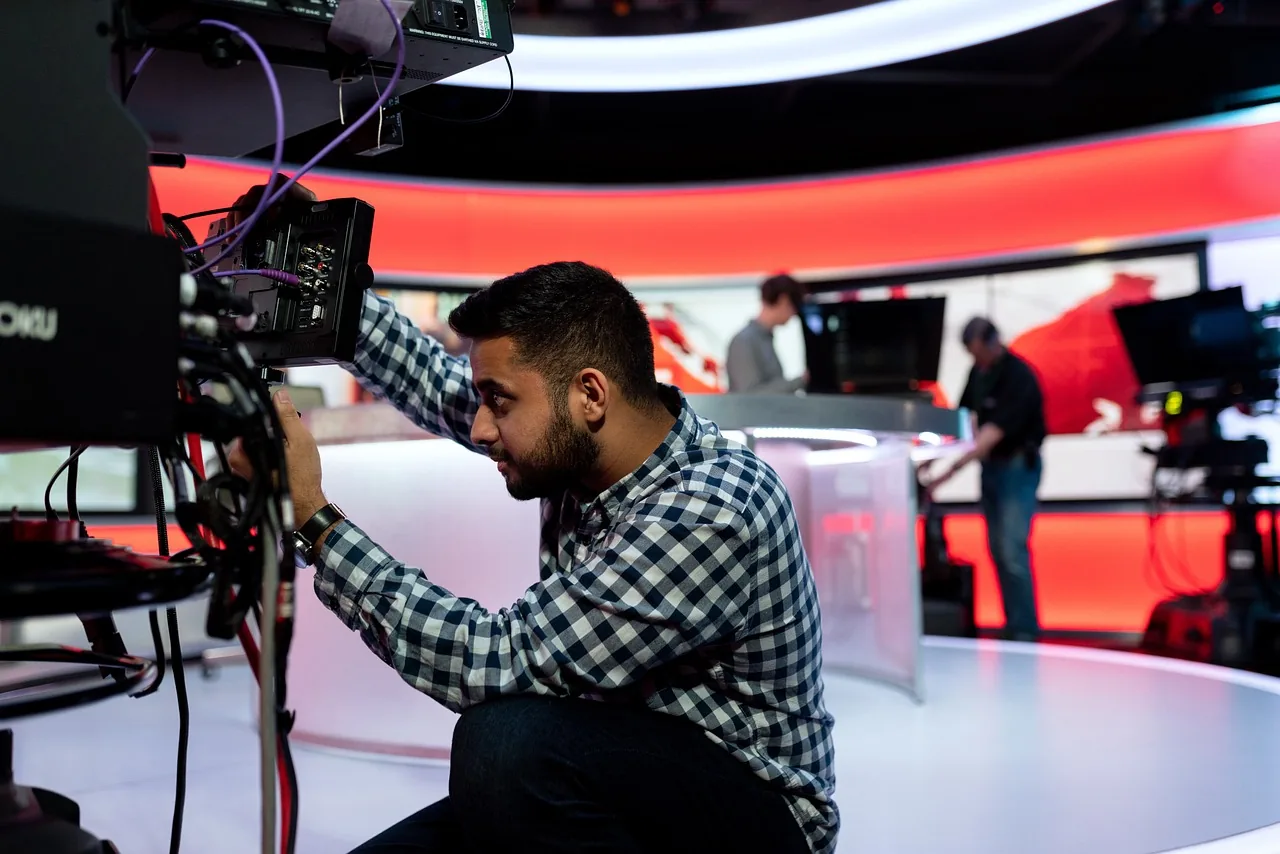
Internal control is appealing, especially when your communications team needs quick access to video support. But control alone does not guarantee a useful or memorable result. We find the strongest plans begin with a clear purpose, a realistic workflow and an honest view of the skills required. If you are starting from scratch, a written brief helps: our guide to how to write a video production brief covers what to include.
What does an in-house video team really cost in Ireland?
An in-house videographer, editor or producer gives you reliable access to support, which works well when there is a steady flow of straightforward content such as staff updates, training modules, social clips or event coverage. The salary is only one part of the commitment, however.
On pay, the published numbers are thin. Indeed lists an average videographer/editor salary of €33,903 per year in Ireland, but that figure is based on just 5 salaries taken from job postings in the past 36 months, so it is a rough guide, not an official wage statistic. Indeed's typical range is €28,300 to €41,927 per year, with an average of €34,024 in Dublin, County Dublin. For context, the Central Statistics Office reports median annual earnings in Ireland of €46,305 in 2025, up 3.3% on 2024, and a sector median of €29,603 in Arts, Entertainment, Recreation and Other Services. Those CSO figures describe the whole economy and that sector broadly, not videographers specifically.
"Median annual earnings were €46,305 in 2025, up 3.3% on 2024" Central Statistics Office, Earnings Analysis using Administrative Data Sources 2025, 6 October 2026
The fuller cost sits above the salary. You also need to consider recruitment, pensions, training, editing software, camera equipment, lighting, sound gear, storage, insurance and replacement kit. Video tools age quickly, and a team needs time to keep its skills current as formats and audience expectations change.
Managing the work takes more time than many organisations expect. Someone must set priorities, shape briefs, arrange contributors, secure locations, review scripts and gather feedback, while keeping an eye on brand standards, legal approvals, accessibility and file management. Utilisation matters too: in quiet periods, specialist staff and equipment may sit idle, and when demand spikes you may need freelance help anyway.
Rather than comparing one salary with one quote, we suggest calculating the full annual commitment and dividing it by the number of completed videos. That gives a clearer view of what your in-house setup actually delivers per film.
When does outsourced corporate video production make more sense?
Outsourcing fits complex, high-stakes or specialist work. A brand film, employer-brand campaign, corporate documentary or social impact film needs more than a camera and an editing suite: it needs a strong idea, considered storytelling and the practical experience to bring crew, contributors and post-production together. An experienced partner can assemble the right people for the brief, from producers and directors to cinematographers, editors, animators and sound specialists.
Published day rates give a sense of what a specialist day costs. One Dublin production company's public rate card, which is one company's list prices rather than an industry average, lists a director at €900 to €1,750 per day, a cinematographer at €825, a producer at €675, a camera operator for commercial and corporate work at €500, editing at €650 per day including two revisions, and colour grading at €750. All crew prices are exclusive of VAT at 13.5%.
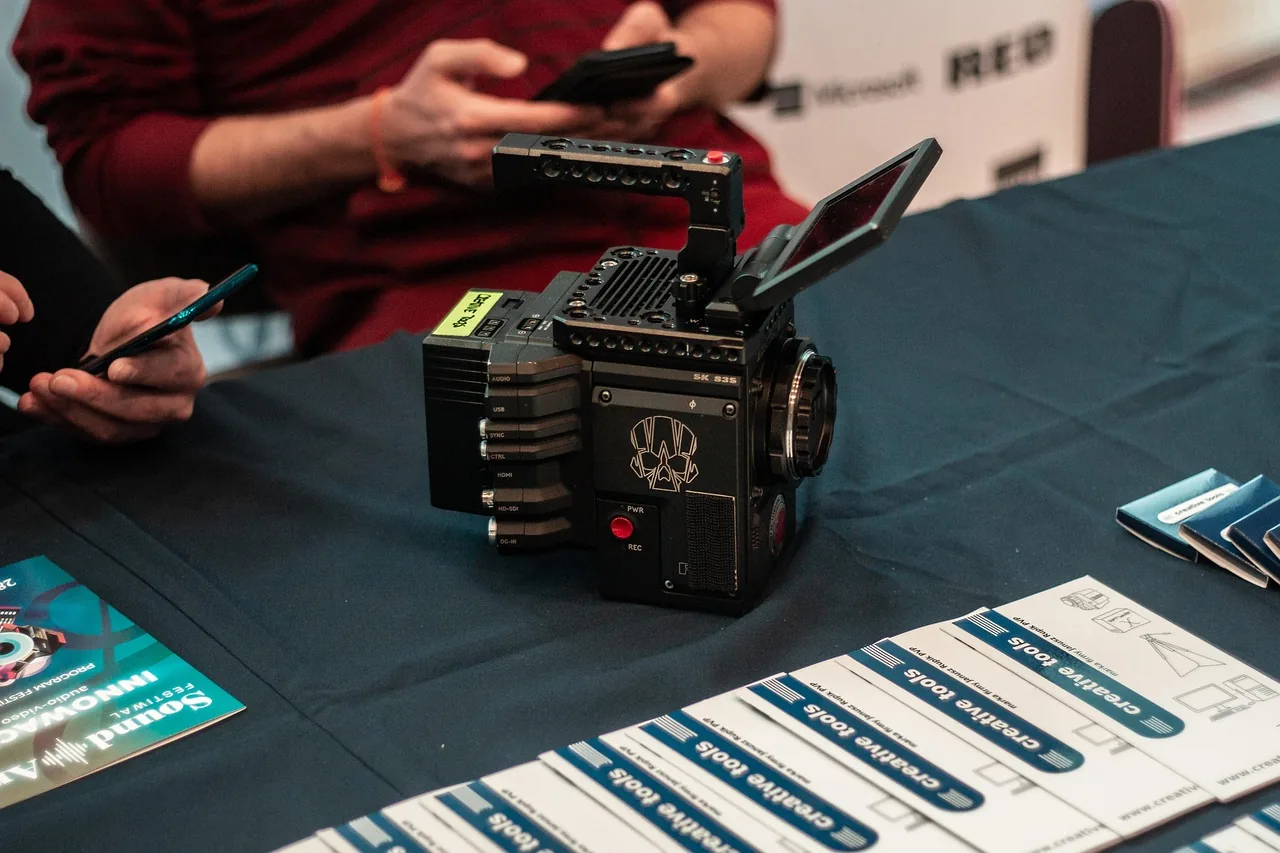
It is also worth noting that a shoot day is rarely a single paid day. On that rate card, most client shoots involve one full day, plus one day of prep and a half day of returns, depending on what the brief entails and how much set design, build and propping is required. For typical finished-film budgets rather than day rates, see our research on corporate video costs in Ireland.
How do quality, capacity and production risk compare?
Quality depends less on where people sit than on whether the right skills are on the job. An in-house team often knows your tone, people and priorities intimately, which makes routine filming faster and less formal. An external team brings an outside view: because we are not part of your daily meetings or internal language, we can question unclear messages and spot the story in them that your audience will actually care about.
Larger productions also carry moving parts that someone must manage, whether in-house or outsourced. Someone has to book specialist crew and equipment, handle casting, contributor preparation and interview direction, sort out location planning, permissions and releases, and cover motion graphics, music licensing and sound finishing. Health and safety planning, schedules and backup plans sit on top of all that.
Outsourcing does not mean handing over a vague request and hoping for the best. A partner needs a clear brief, access to the right people and timely feedback from stakeholders. The best work happens when your internal knowledge joins with external creative craft from the earliest planning stage through to final delivery. For teams producing corporate films at scale, our corporate video production in Dublin page shows how we structure that collaboration.
Which production model should you choose?
Choose by matching the model to the work, not by defaulting to control or convenience. The table below summarises how the two models compare on the factors that matter most.
| Factor | In-house team | Outsourced partner |
|---|---|---|
| Volume and frequency | Suits a steady stream of routine content | Suits occasional or project-based work |
| Cost shape | Fixed annual commitment, salary plus kit and software | Cost follows the project, quoted per film |
| Speed for routine work | Fast, with immediate access to support | Depends on scheduling and lead times |
| Flagship or specialist quality | Limited by the skills you employ | Full crew and specialist crafts per project |
| Skills coverage | One or two people covering many roles | Director, camera, sound, edit and grade as needed |
| Utilisation and risk | Idle capacity in quiet periods, stretched in spikes | Capacity scales with demand, no idle cost |
When deciding, we recommend asking five questions. How many videos do you need each year? What level of creative quality does each type of video require? How quickly must finished content be delivered? Which specialist skills does the work need? And what is the full cost of ownership, including management time and equipment? Choosing in-house simply for control, or outsourcing because it appears easier, tends to produce a setup that does not serve long-term needs.
"Most client shoots involve 1 x full day, plus 1 day prep and 1/2 day of returns" The Production Company, Video Production Rates, accessed 20 November 2026

What does a hybrid model look like in practice?
For many organisations, a hybrid model strikes a practical balance. Your internal team handles quick updates, informal interviews and regular social content, where speed and familiarity matter more than craft depth.
An outside partner takes on bigger productions, provides extra capacity during busy periods, or supports your team with planning and repeatable templates. We see this most clearly with major launches, customer stories, investor communications, high-profile recruitment films and documentaries. The hybrid also softens the utilisation problem: the in-house videographer stays busy with everyday work while the partner absorbs the peaks.
How do you build a video setup that can grow?
Start with your communication goals, your audience and the volume of content you expect to create. Separate the work that needs internal speed from the work that deserves deeper creative development, then review that balance as demand, budgets and priorities change.
You may begin by outsourcing flagship films, then build internal capability for everyday content. Or you may already have an in-house team that benefits from outside support during major campaigns. The right model is the one that helps you produce purposeful, consistent video without overstretching your people or lowering the standard of the work, and it is worth revisiting the decision every year or two as your needs change.
How we researched this
This guide started from a Collective Films draft on choosing between in-house and outsourced video teams, then was checked against published Irish salary and rate-card figures on 20 November 2026. Sources read: the CSO Annual Earnings chapter of Earnings Analysis using Administrative Data Sources 2025 (published 6 October 2026); The Production Company's public rate card (accessed 20 November 2026); and Indeed's videographer/editor salary page for Ireland (updated 23 October 2026, based on 5 salaries). Keyword demand was checked with DataForSEO for Ireland and the UK after OpenSEO had insufficient credits; search volumes for this exact comparison are low. PayScale was screened and not used. The rate card is one company's list prices, not an audited average. No survey was run.
Frequently asked questions
What is the difference between in-house and outsourcing?
In-house means you employ the people who make your videos, so you pay a salary plus kit, software and management time and you carry the work whether demand is high or low. Outsourcing means you buy production from a partner per project, so the cost follows the work and the partner supplies the crew, equipment and specialist skills.
What are the different types of video production?
In corporate video production, common types include company profile films, case studies and customer stories, recruitment films, internal communications, event films and explainer videos. We describe these types in more detail in our guide to the types of corporate video.
How much is a videographer per day?
It depends on the role and the market. One Dublin production company's published rate card lists a camera operator for commercial and corporate work at €500 per day, a cinematographer at €825 per day and a director at €900 to €1,750 per day, all exclusive of VAT at 13.5%. That is one company's list prices, not an industry average.
How to hire a freelance videographer?
Start with a clear brief: what the film is for, where it will be shown, when you need it and what budget you have. Look at full films, not just showreel clips, ask who will actually shoot and edit the work, and agree the number of revisions, usage rights and delivery formats in writing before the shoot.
When should you outsource video production?
Outsource when the work is complex, high-stakes or specialist: flagship brand films, employer-brand campaigns, documentaries, major launches and anything needing crew such as a director, cinematographer, sound mixer and editor on the same day. If you only need a steady stream of short internal updates, an in-house videographer can be the better fit.
Should I hire an in-house videographer?
Hire in-house when you have regular, straightforward work and need fast turnaround, and when you have counted the full cost of ownership: salary, recruitment, pensions, software, cameras, storage, insurance and management time. Indeed lists an average videographer/editor salary of €33,903 per year in Ireland based on just 5 salaries, so treat that as a rough guide, not a full cost. Divide the total annual commitment by the number of videos you actually finish.
Sources
At Collective Films, we help teams turn clear objectives into films people actually want to watch. If you are weighing an in-house videographer against a production partner, we are happy to talk through a corporate video brief with you, whatever model you settle on.