Documentary film production
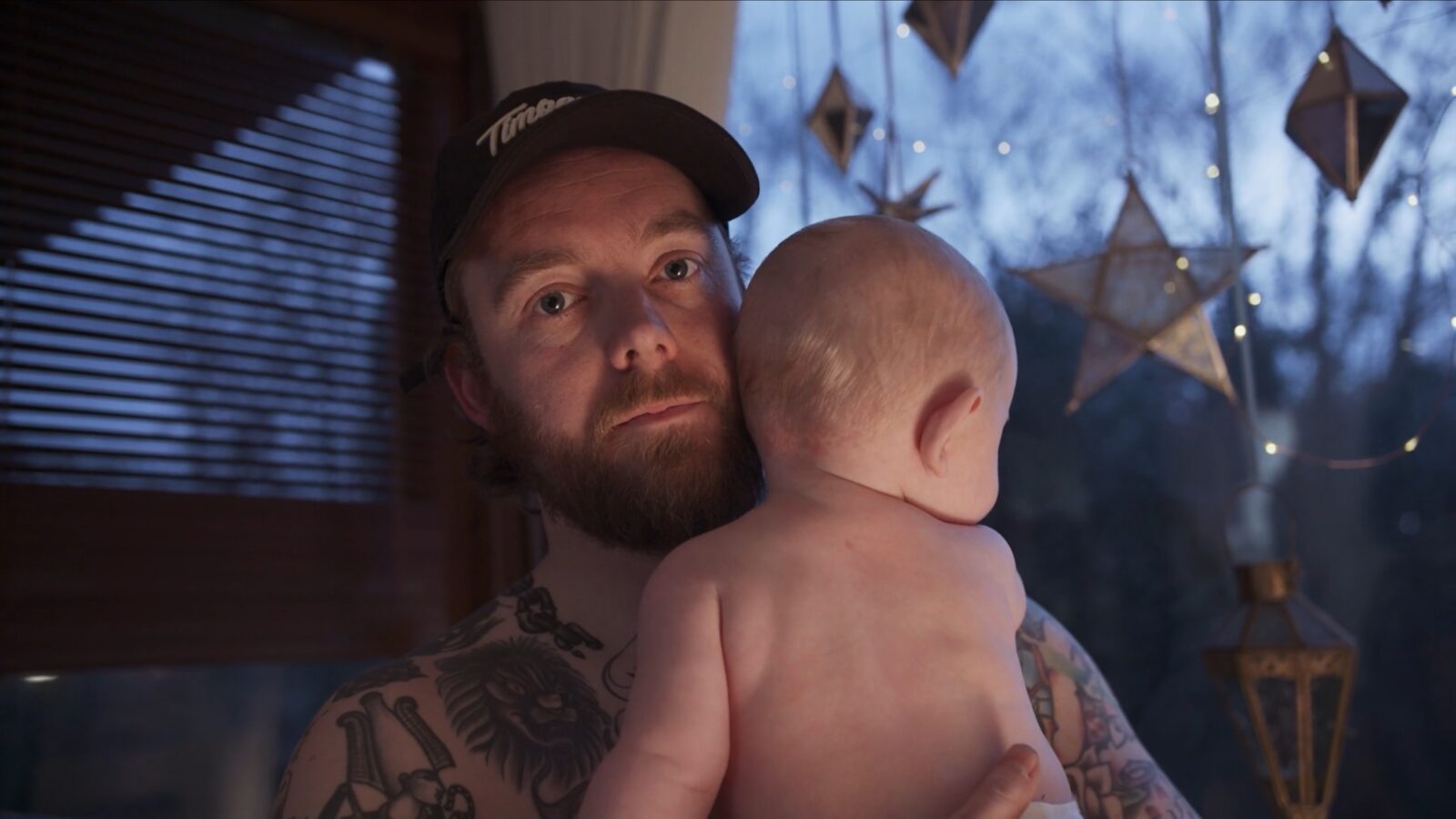
A documentary starts the day someone lets us in properly, not the day the camera turns on.
That is usually what a commission is actually about: access rather than a script. A subject, a scene, a community willing to have a crew around for long enough that people stop performing for the lens. We find the structure once we know what we have actually got, and we would rather hand back a film at its true length than pad it out to fit a broadcaster's slot.
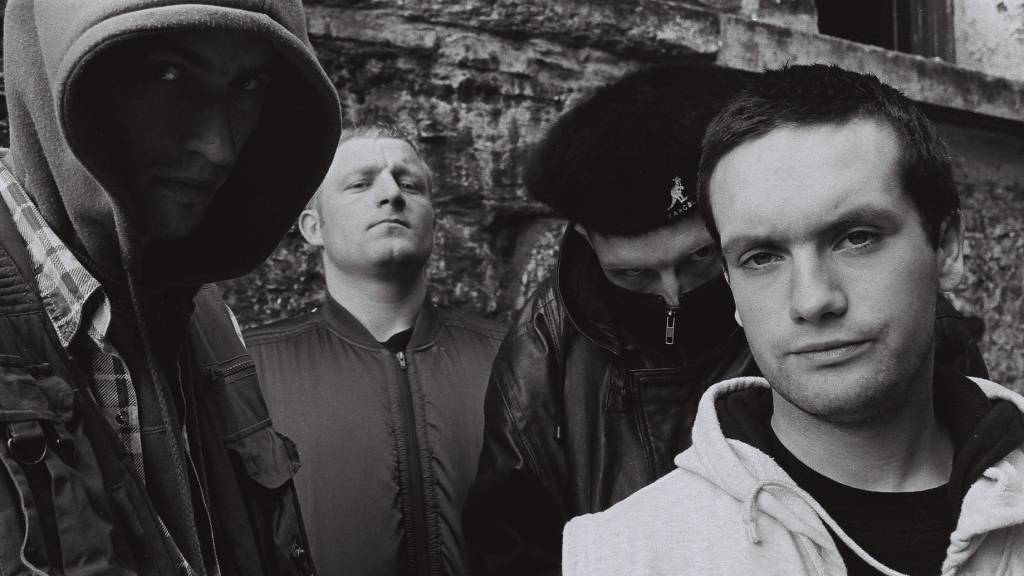
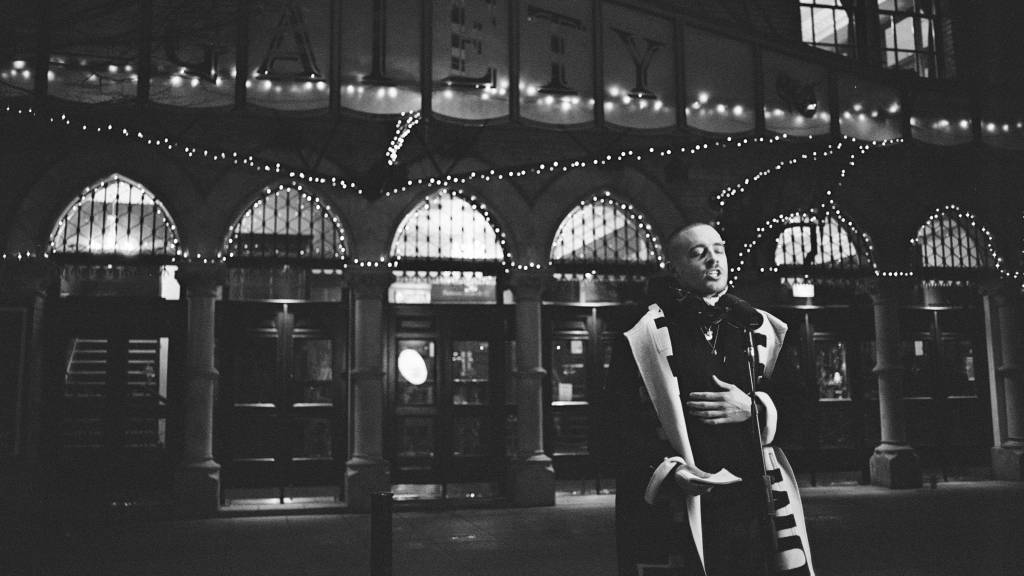
'Origins: The Story of Irish Hip Hop', commissioned by Red Bull, aired prime time on RTÉ One and reached close to a million viewers. 'Sold For Parts', a self-initiated feature on Fontaines D.C., and 'The Busk', a feature documentary made with RTÉ, followed the same approach.
Services across a documentary commission: direction, filming, creative direction, pre production, cinematography, audio recording, post production, sound mixing.
Brand-commissioned versus broadcaster-commissioned documentary
Two different relationships sit under "documentary production." A broadcaster commission, like The Busk for RTE, answers to a commissioning editor and a broadcast slot, with the running time and delivery spec that implies. A brand-commissioned documentary, like Origins for Red Bull, still has to earn a broadcaster's confidence to get the reach a brand wants, but the brand is funding it for reputation and association rather than direct sales. Both need the same thing from production: real access and a structure built from what the crew finds.
Self-initiated work and why we still make it
Sold For Parts, our documentary on Fontaines D.C. writing and recording their debut album, wasn't commissioned by anyone. We made it because the access existed and the story was worth following, then found a home for it. Self-initiated documentary is a smaller part of the studio's output than commissioned work, but it's where a lot of the judgment behind the commissioned films comes from: knowing which scene is the real one without a broadcaster's brief telling you in advance.
What a documentary commission needs from a client
The single biggest variable in a documentary budget and schedule is access: how much time contributors will give, how many locations are involved, whether the story is unfolding in real time or needs to be reconstructed from what's already happened. A client commissioning a documentary should expect an early conversation about what access is realistically available before a treatment gets written.
Questions we're usually asked
Do you pitch documentary ideas to broadcasters, or only make commissioned work?
Both. Origins and The Busk were commissioned; Sold For Parts was self-initiated and found a home afterwards.
How long does a documentary commission typically take?
It depends entirely on the access, not a fixed schedule: a story unfolding over months needs a production timeline to match, which we scope honestly at the brief stage.
Can a brand commission a documentary without it feeling like an advert?
Origins, commissioned by Red Bull, works as a documentary first, which is why RTÉ aired it prime time rather than as sponsored content.